





HydroConquest
Filters


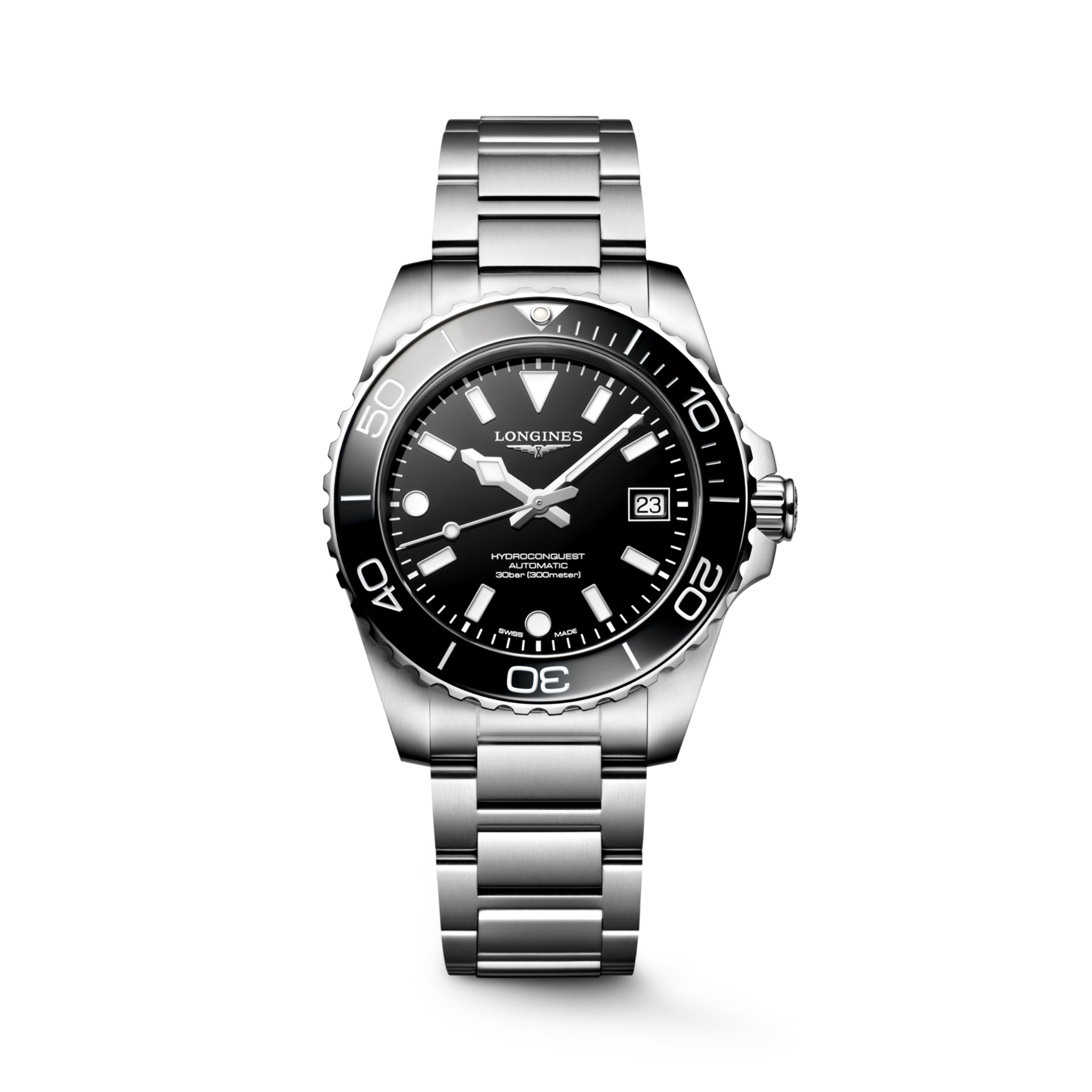
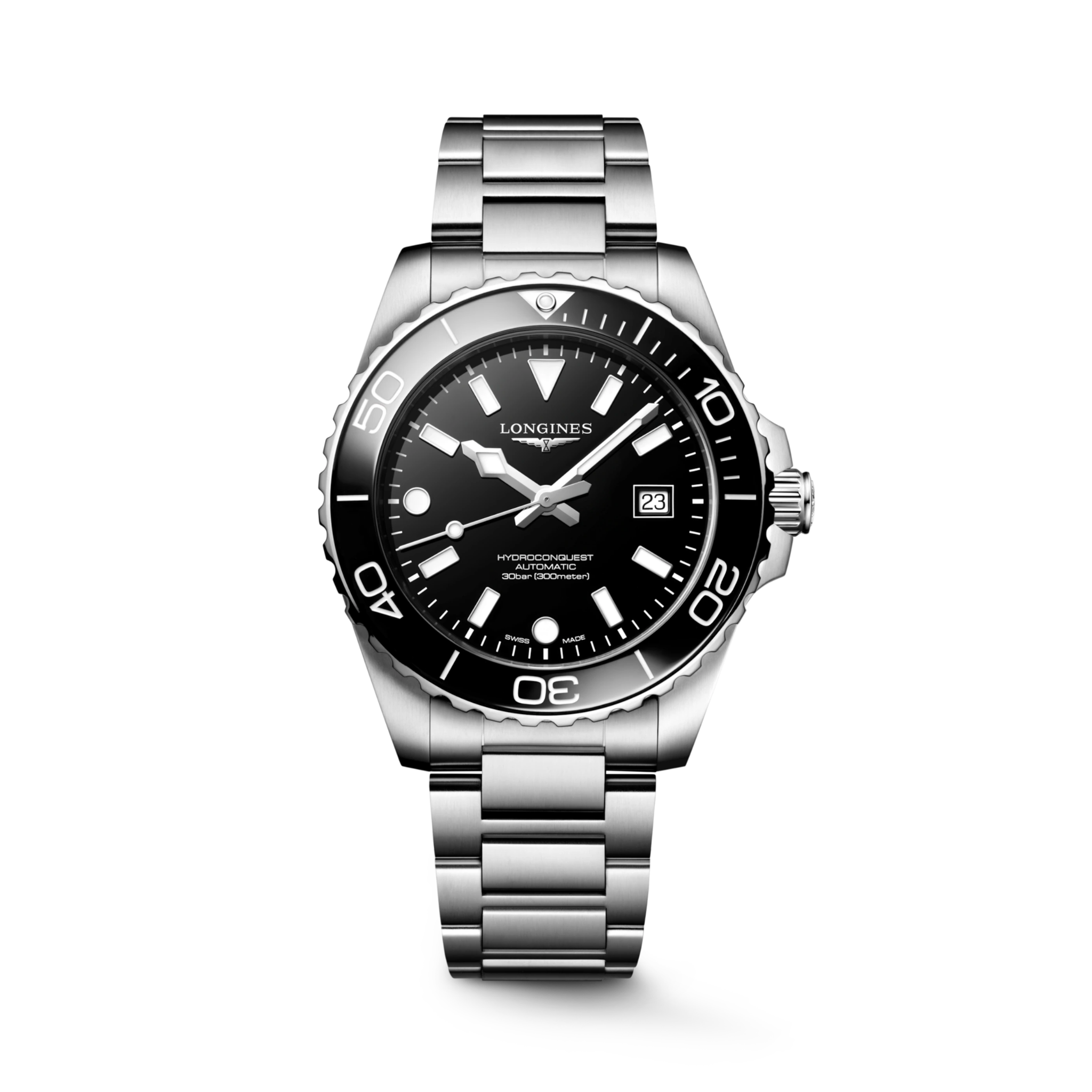
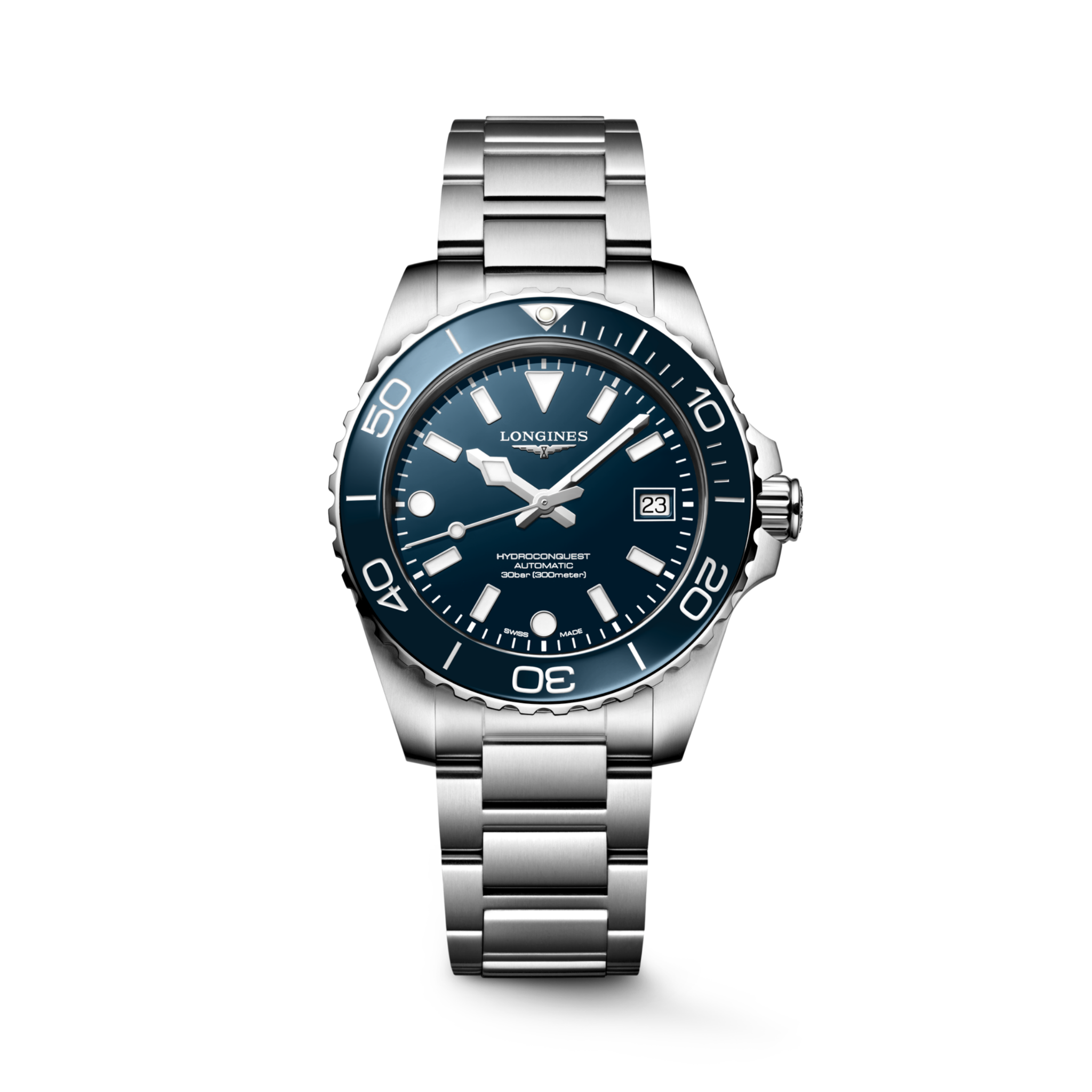
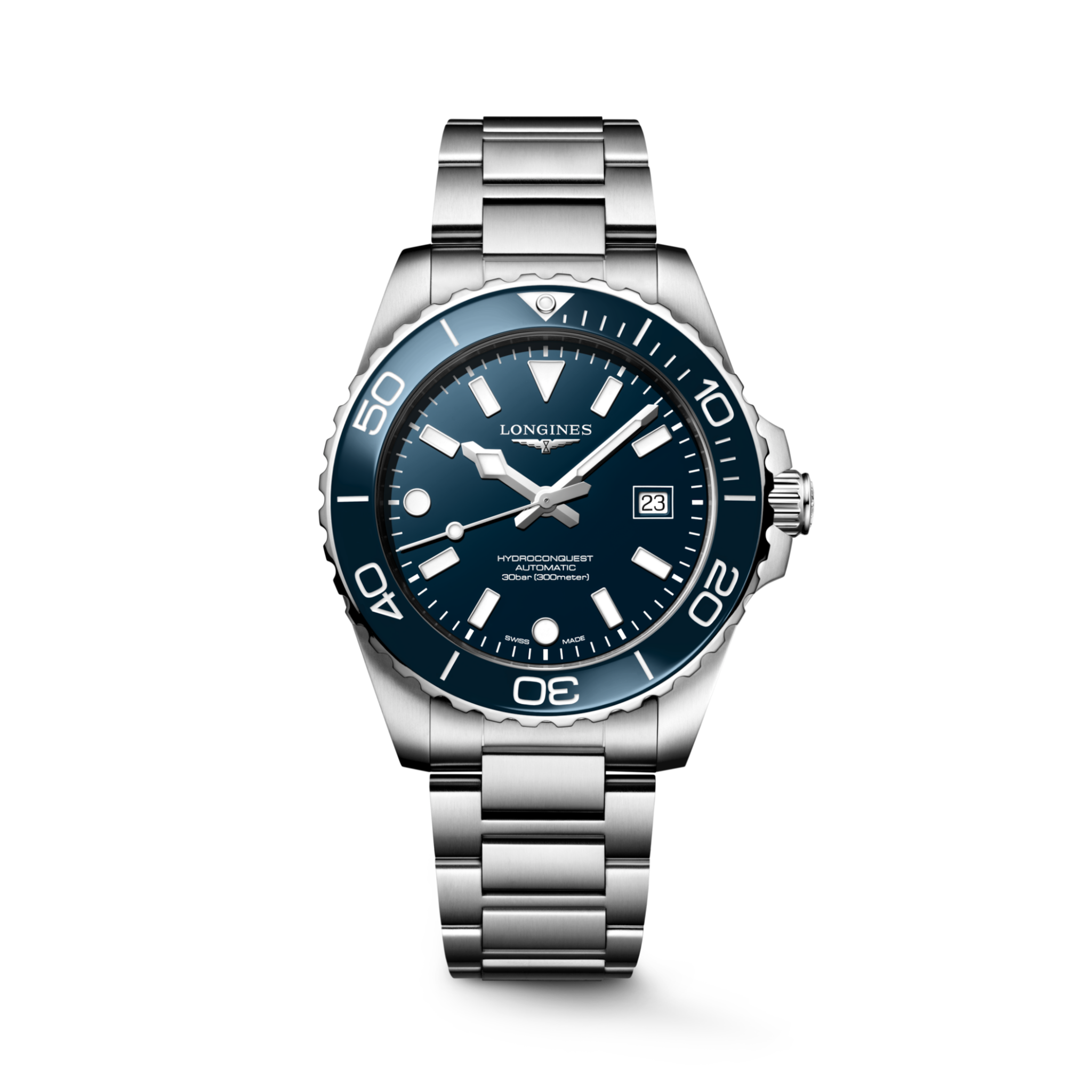
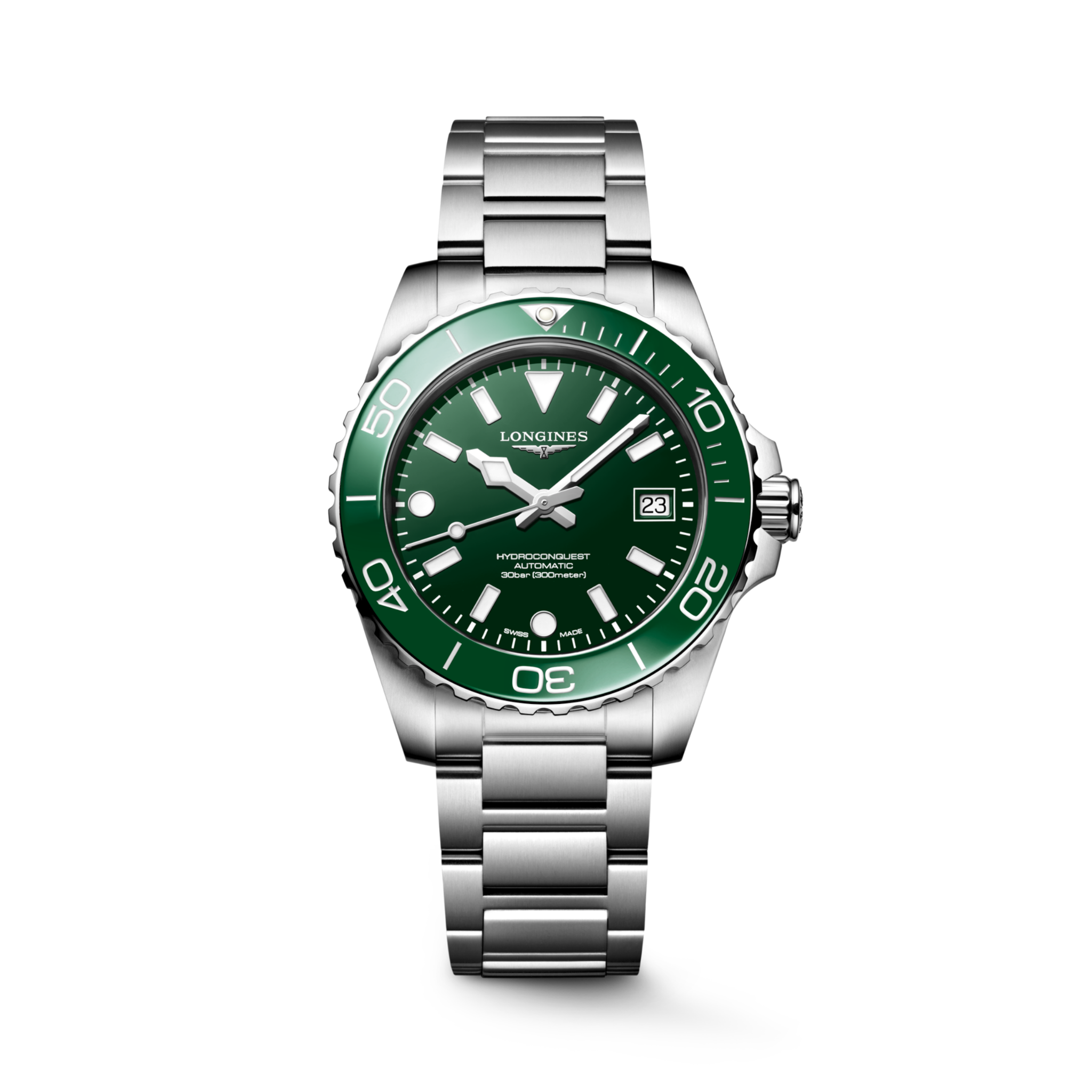
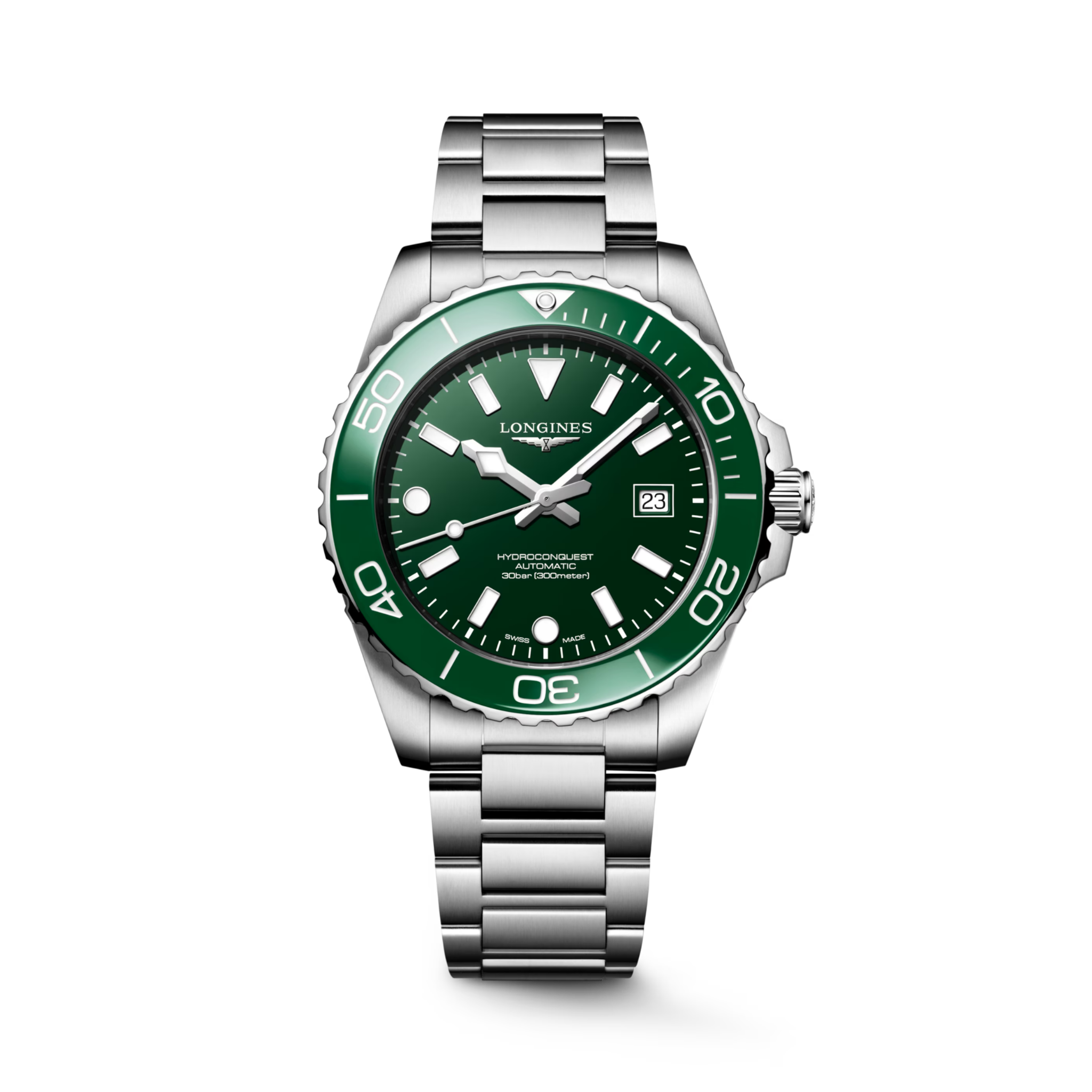
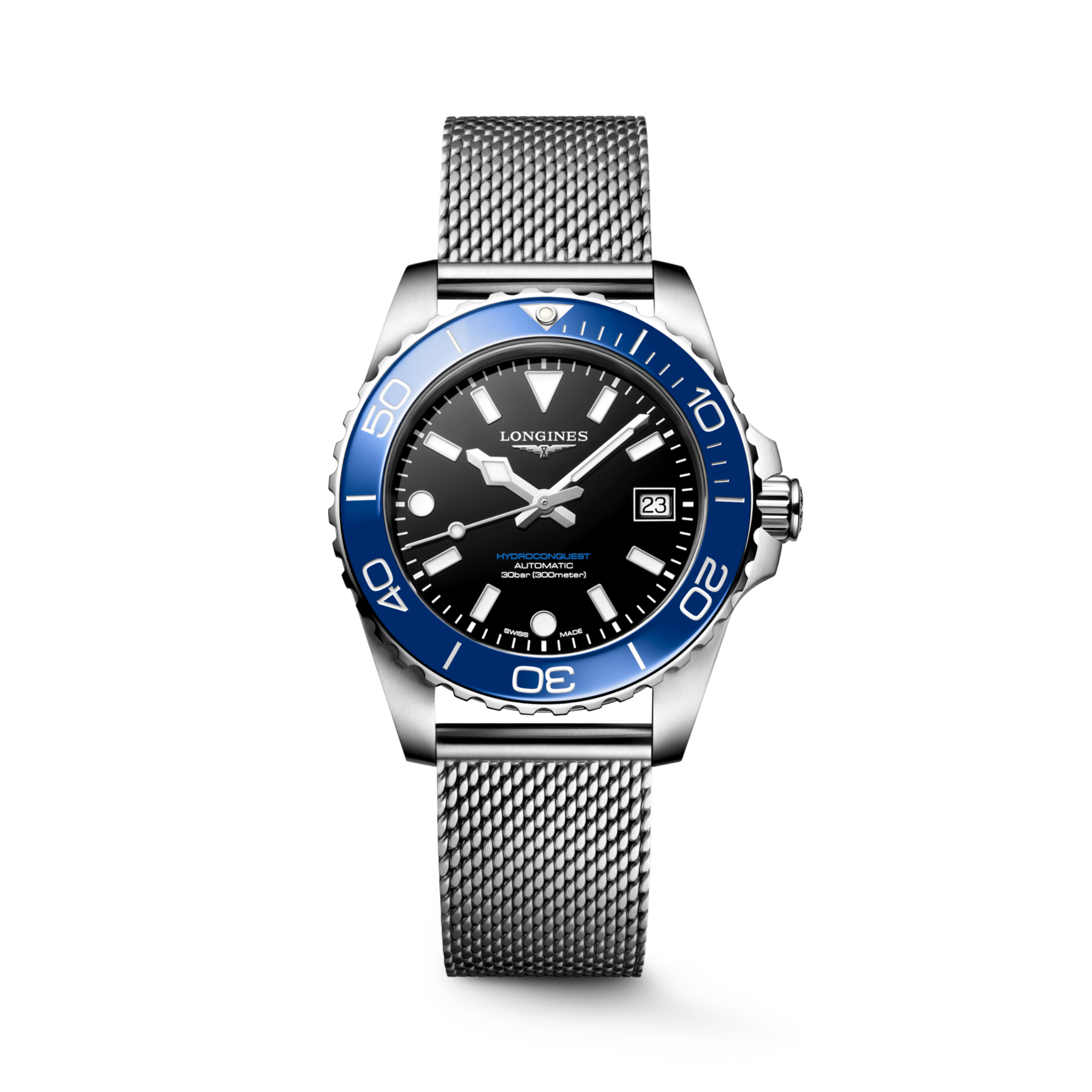
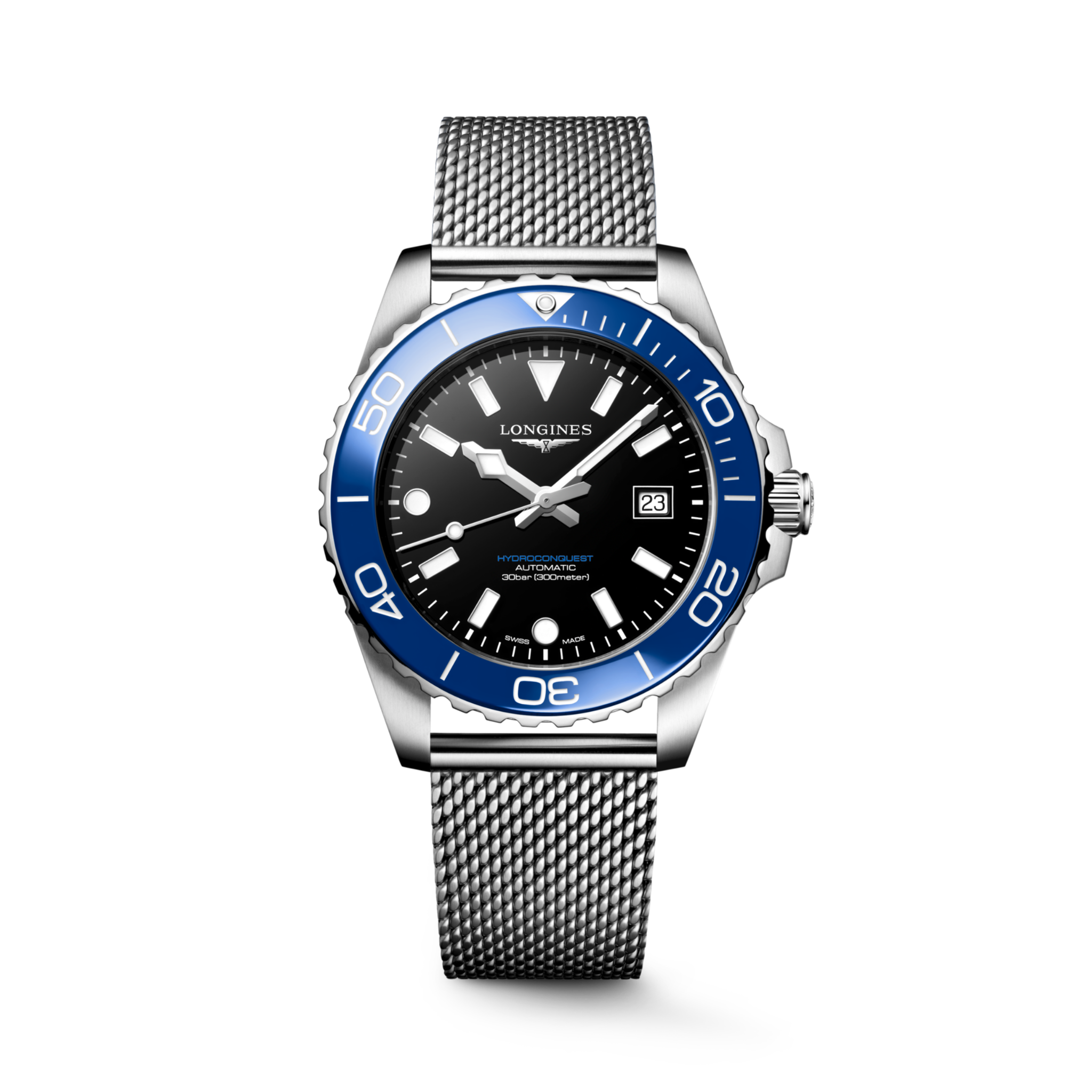
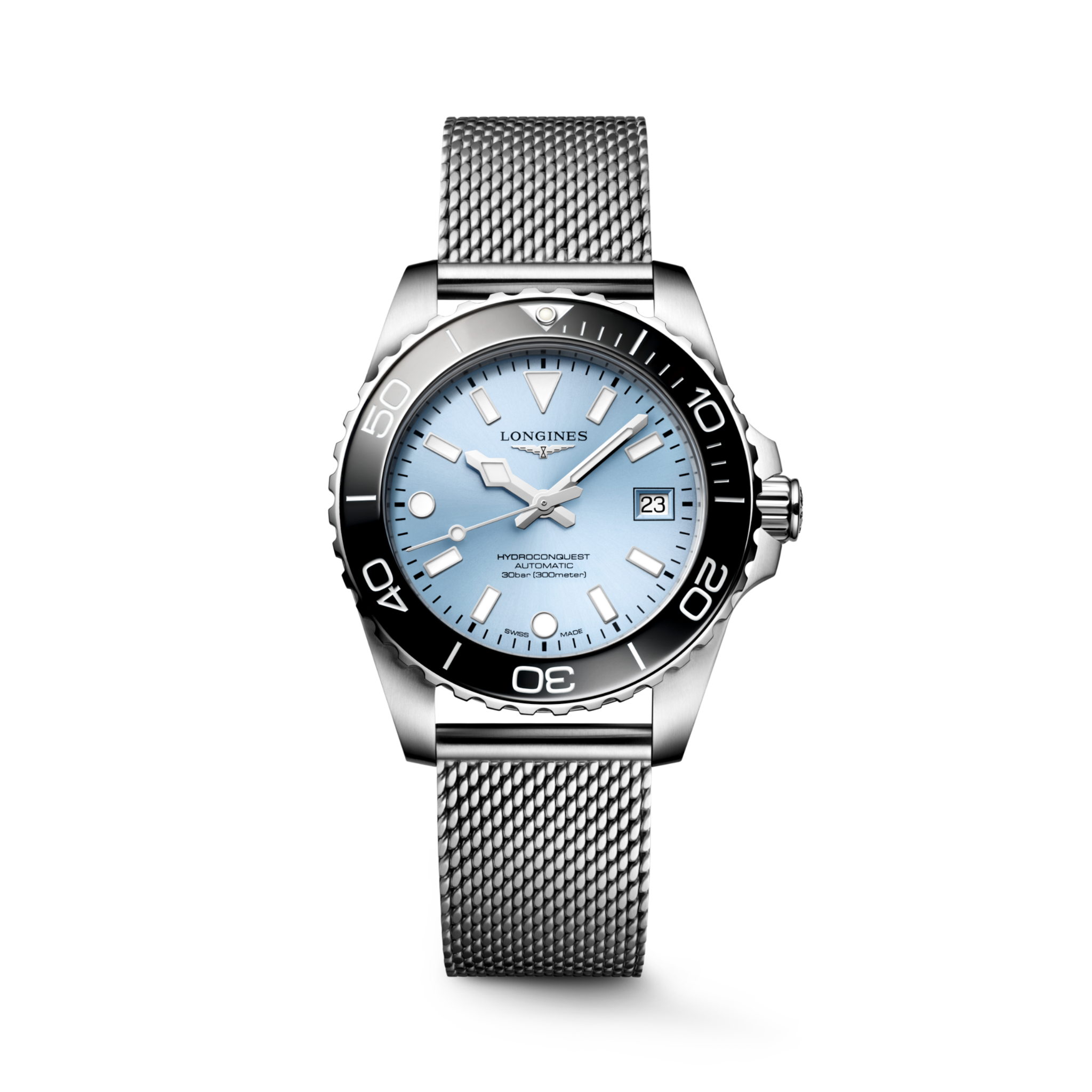
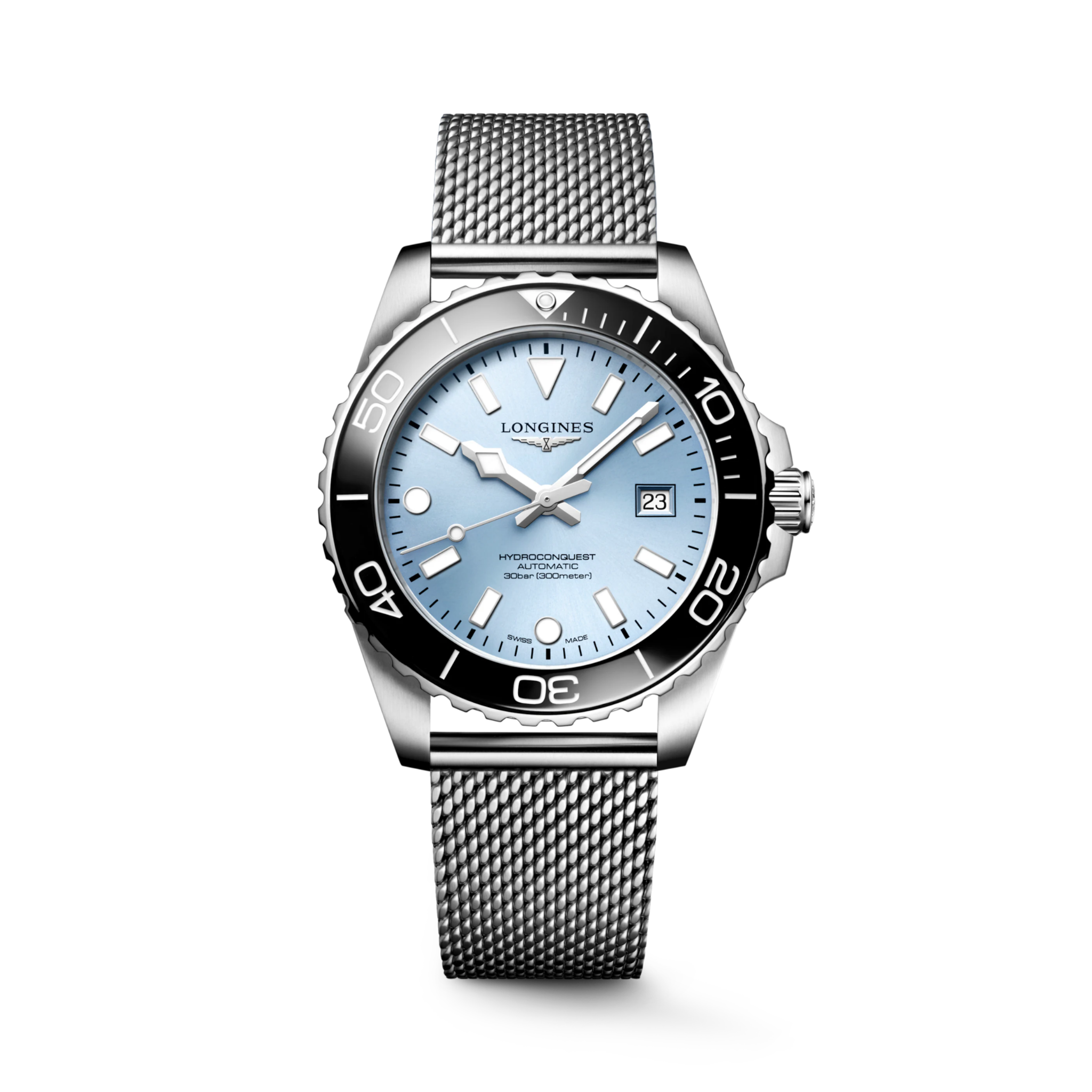
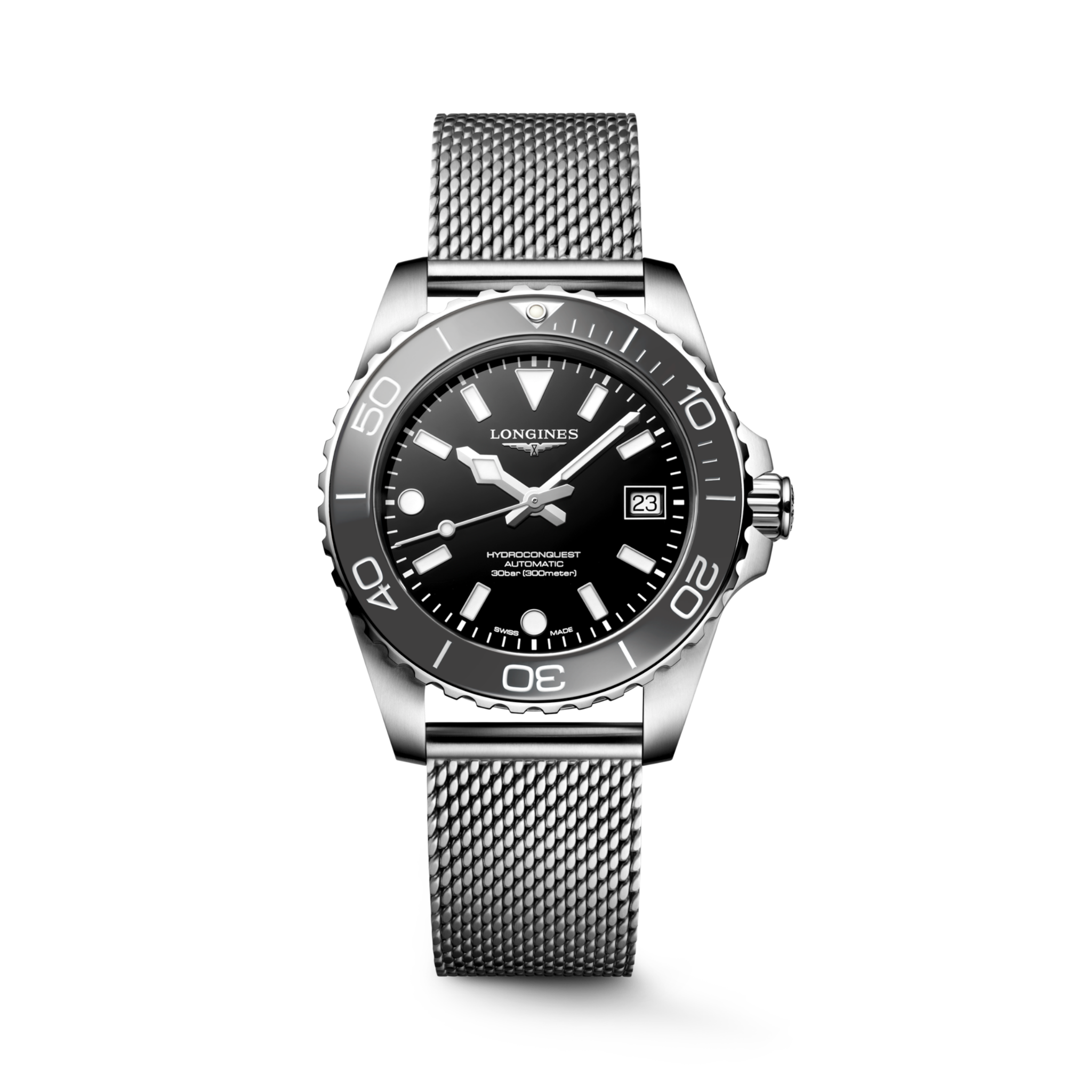
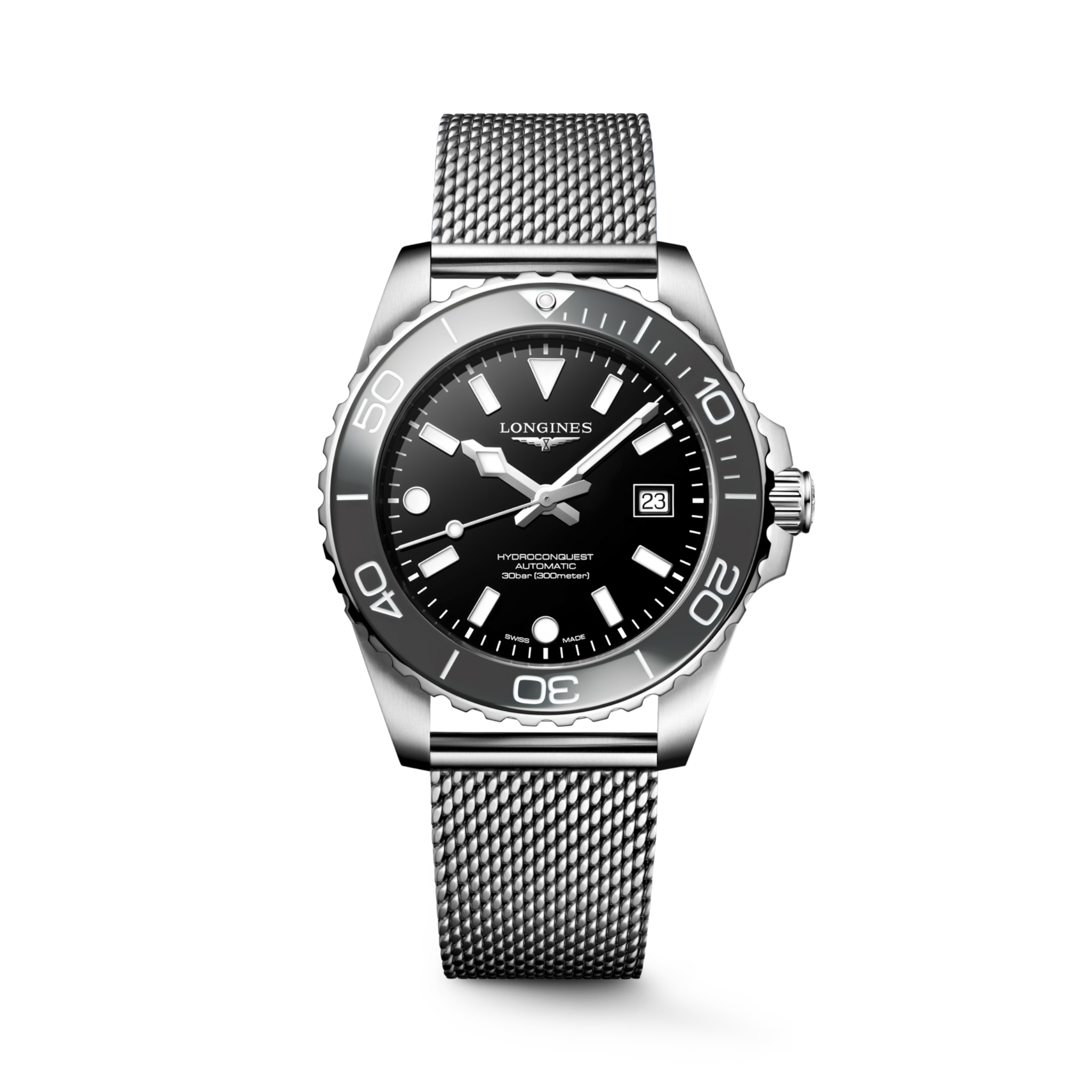
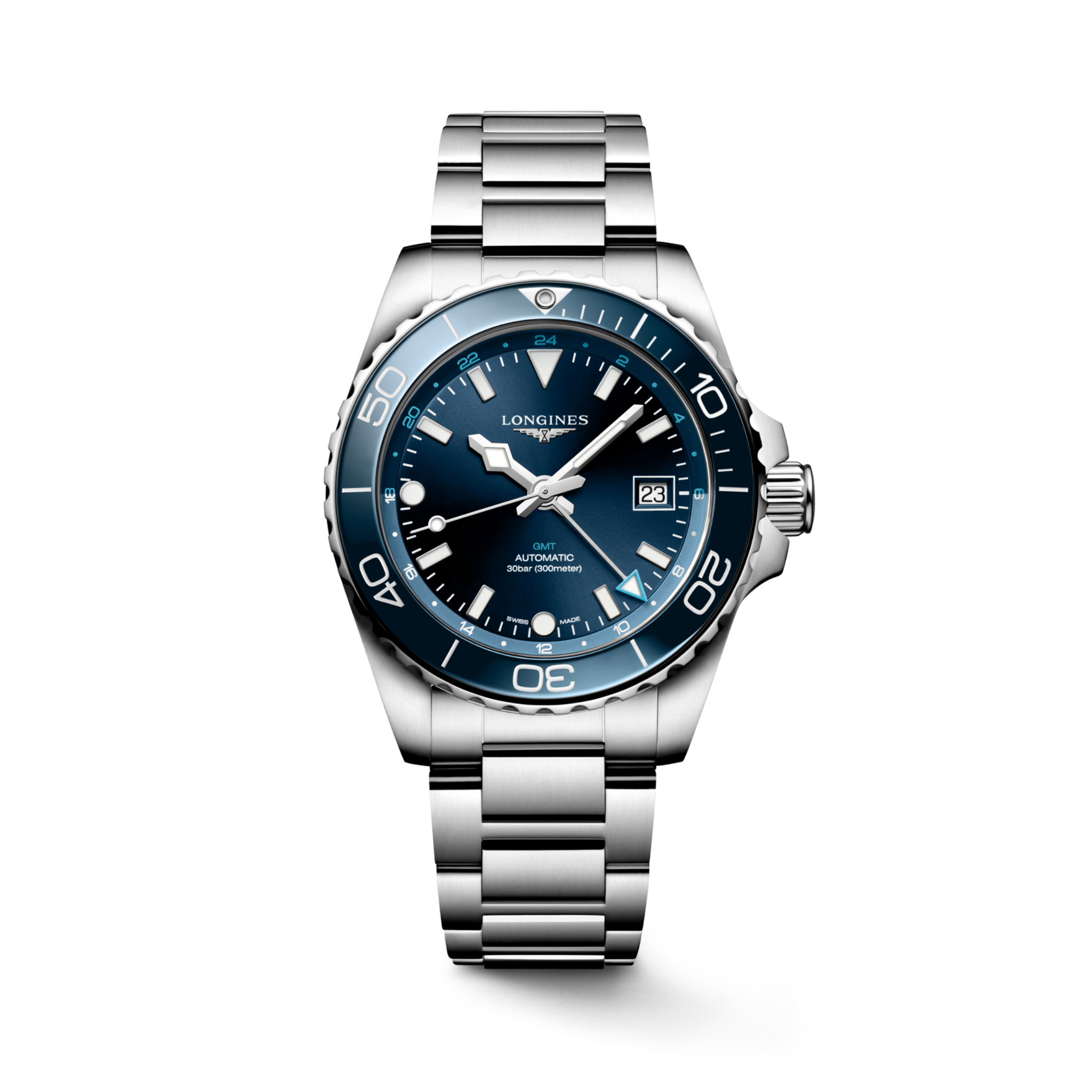
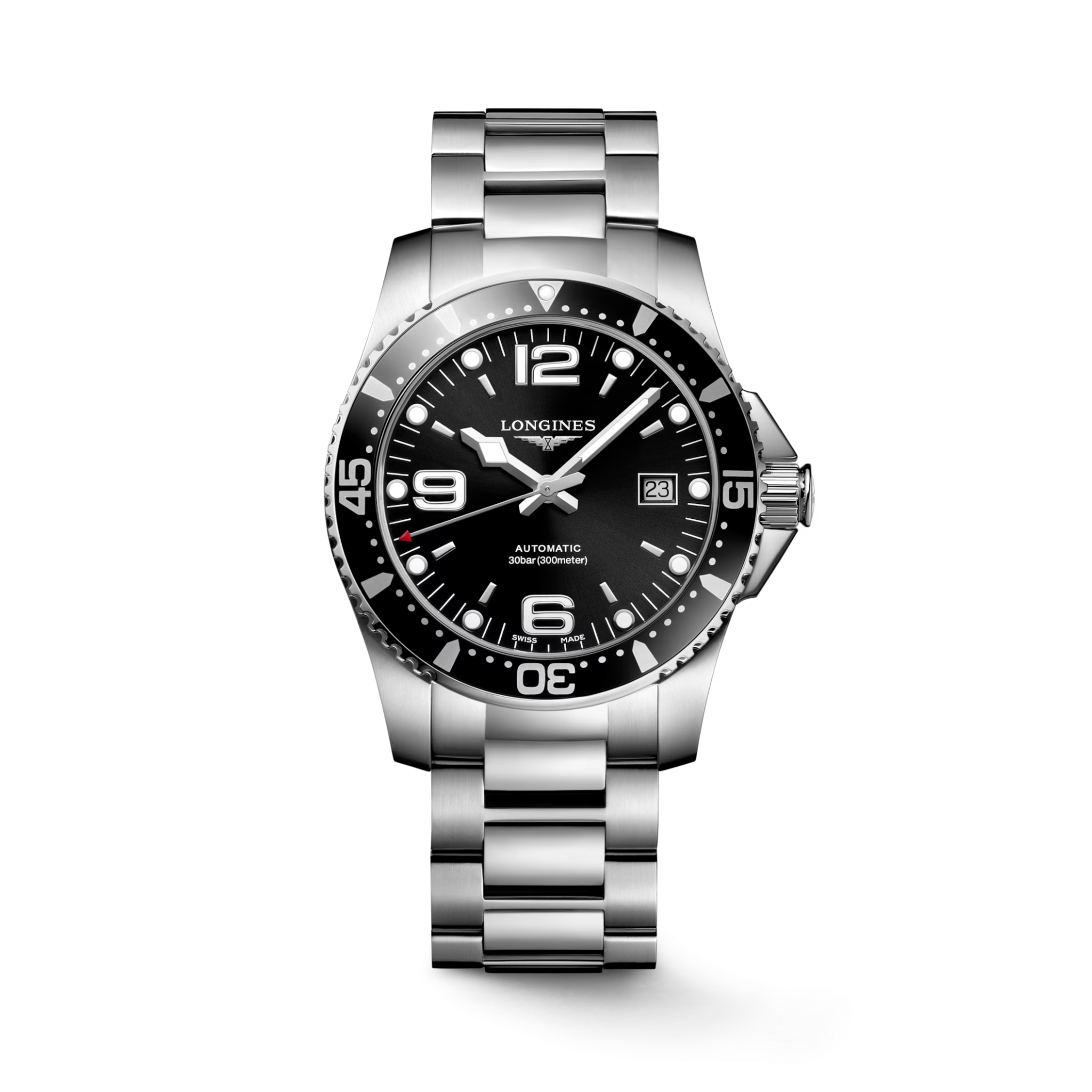
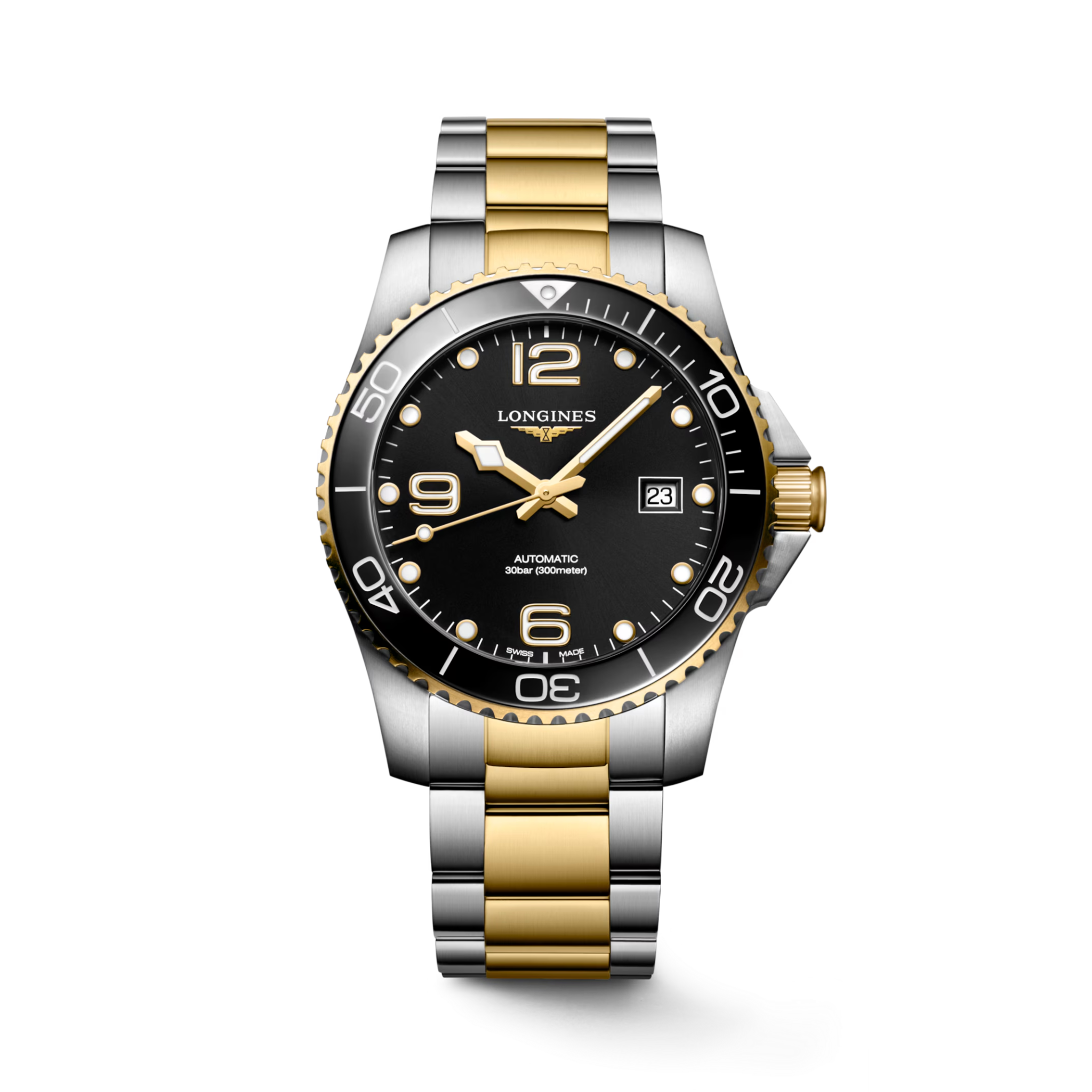
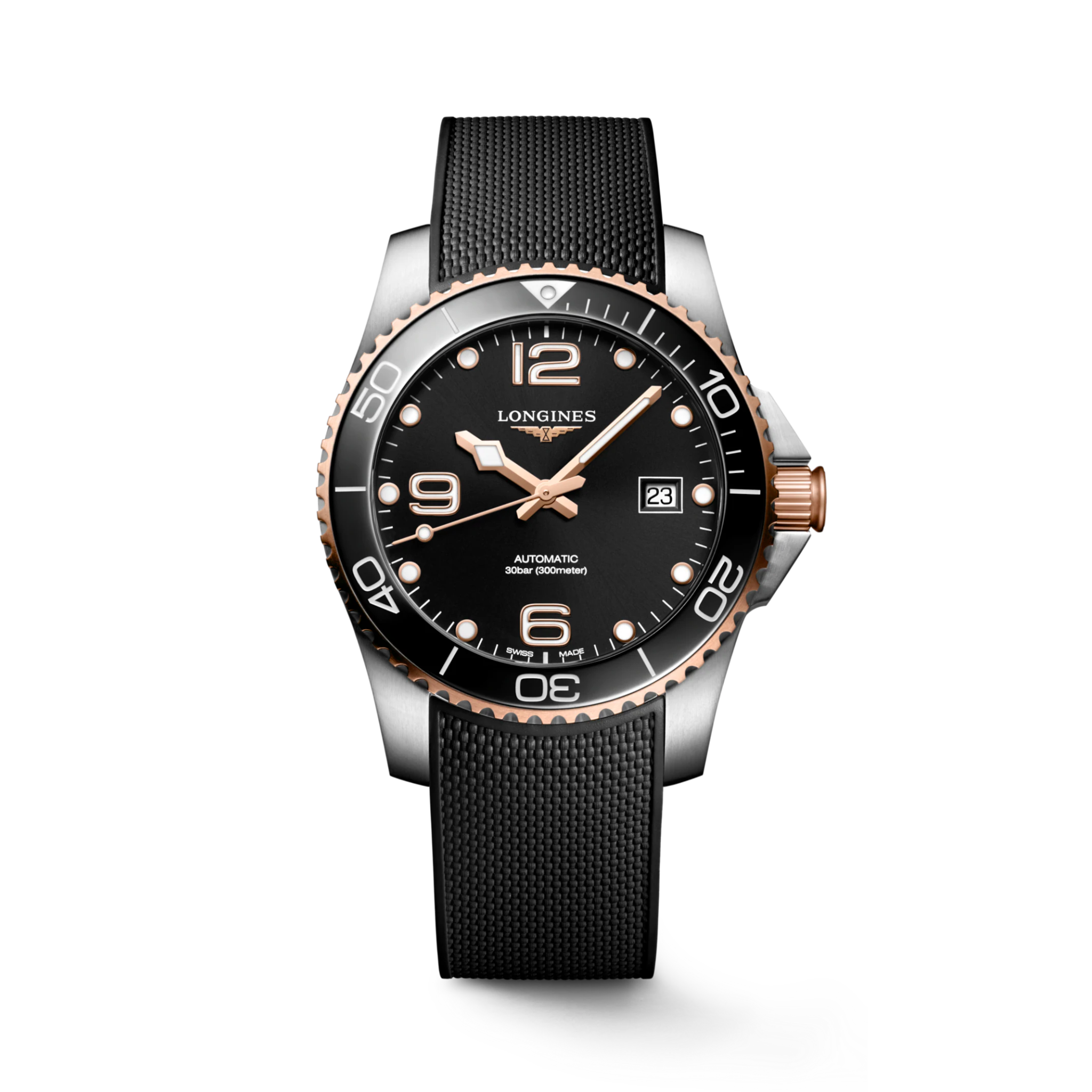
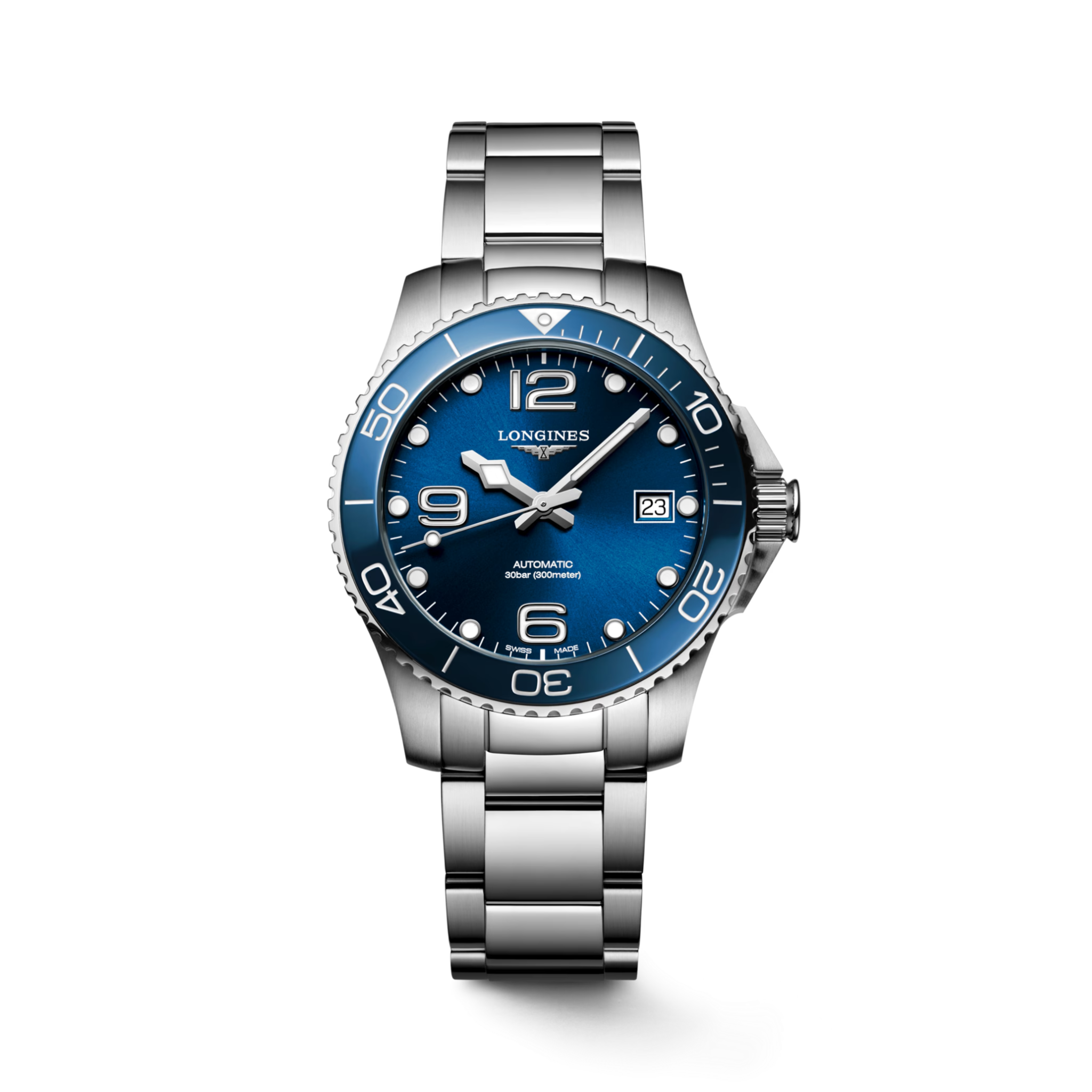
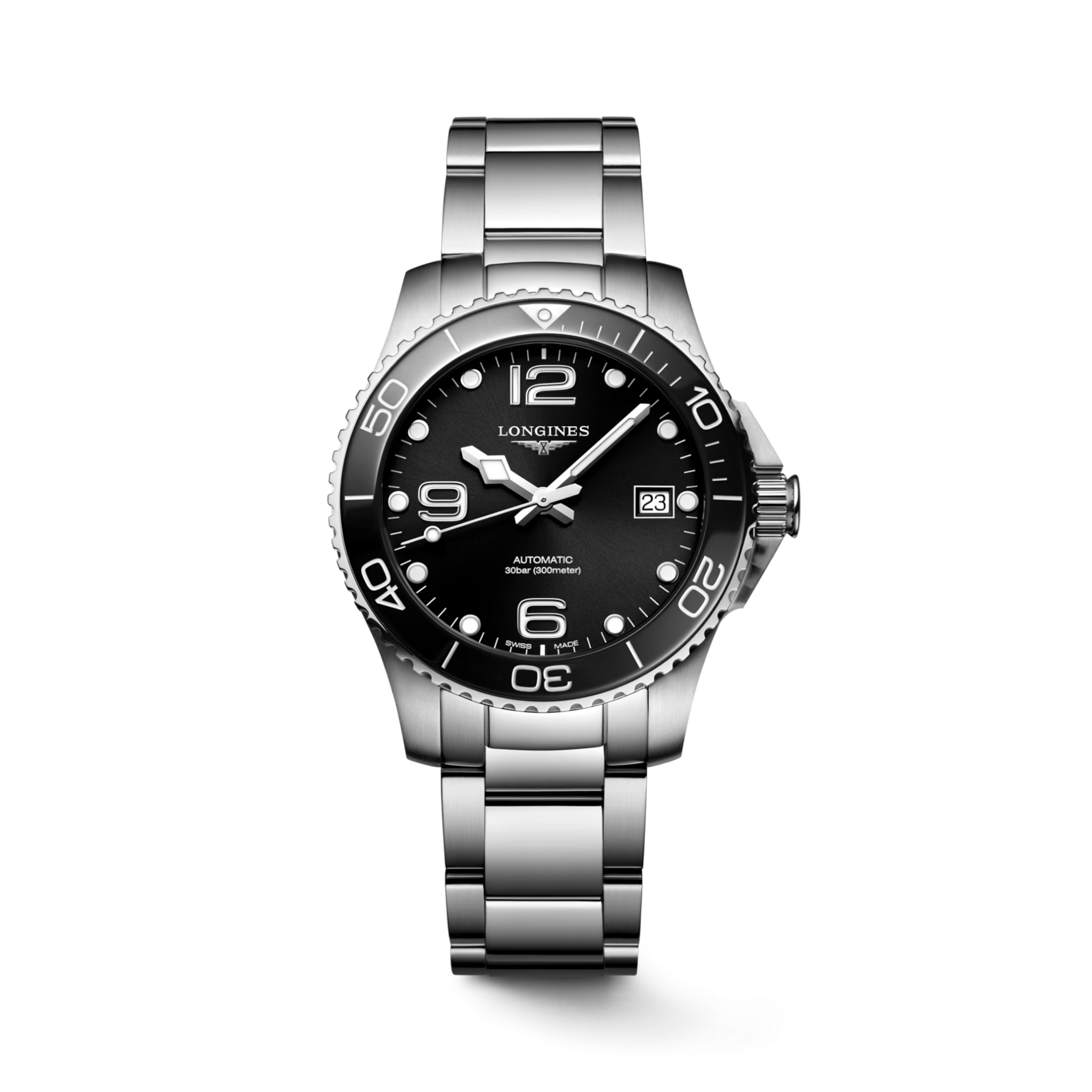

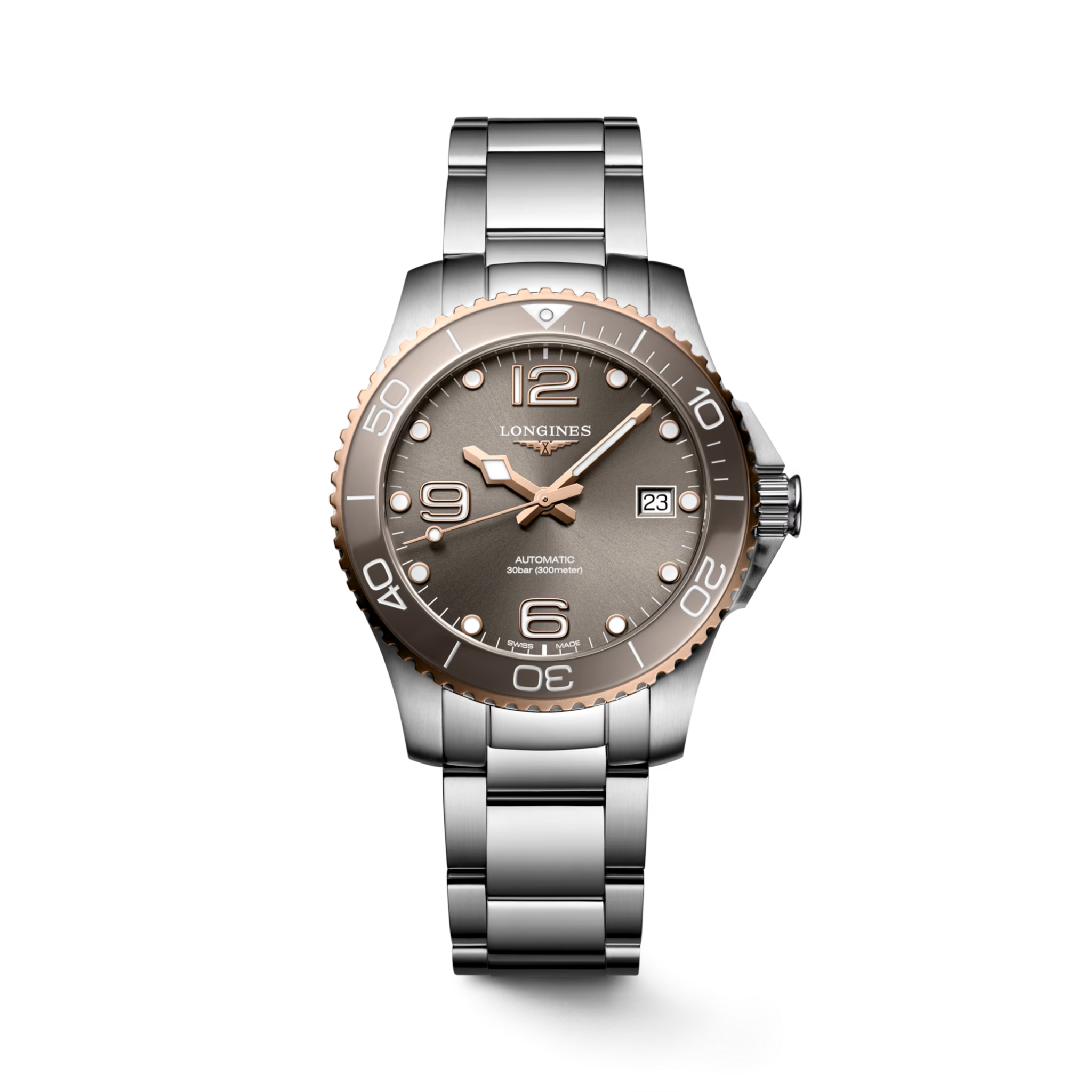

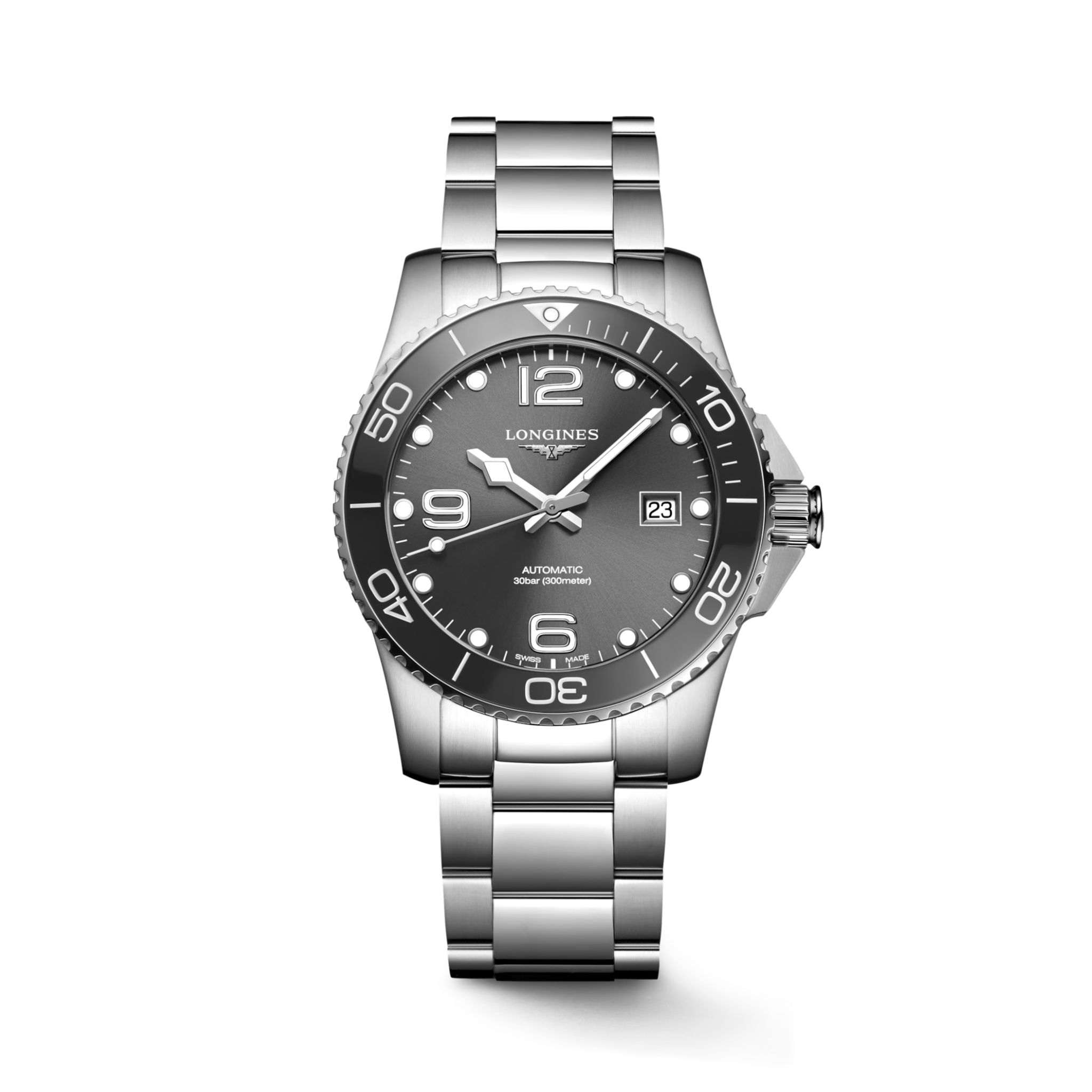
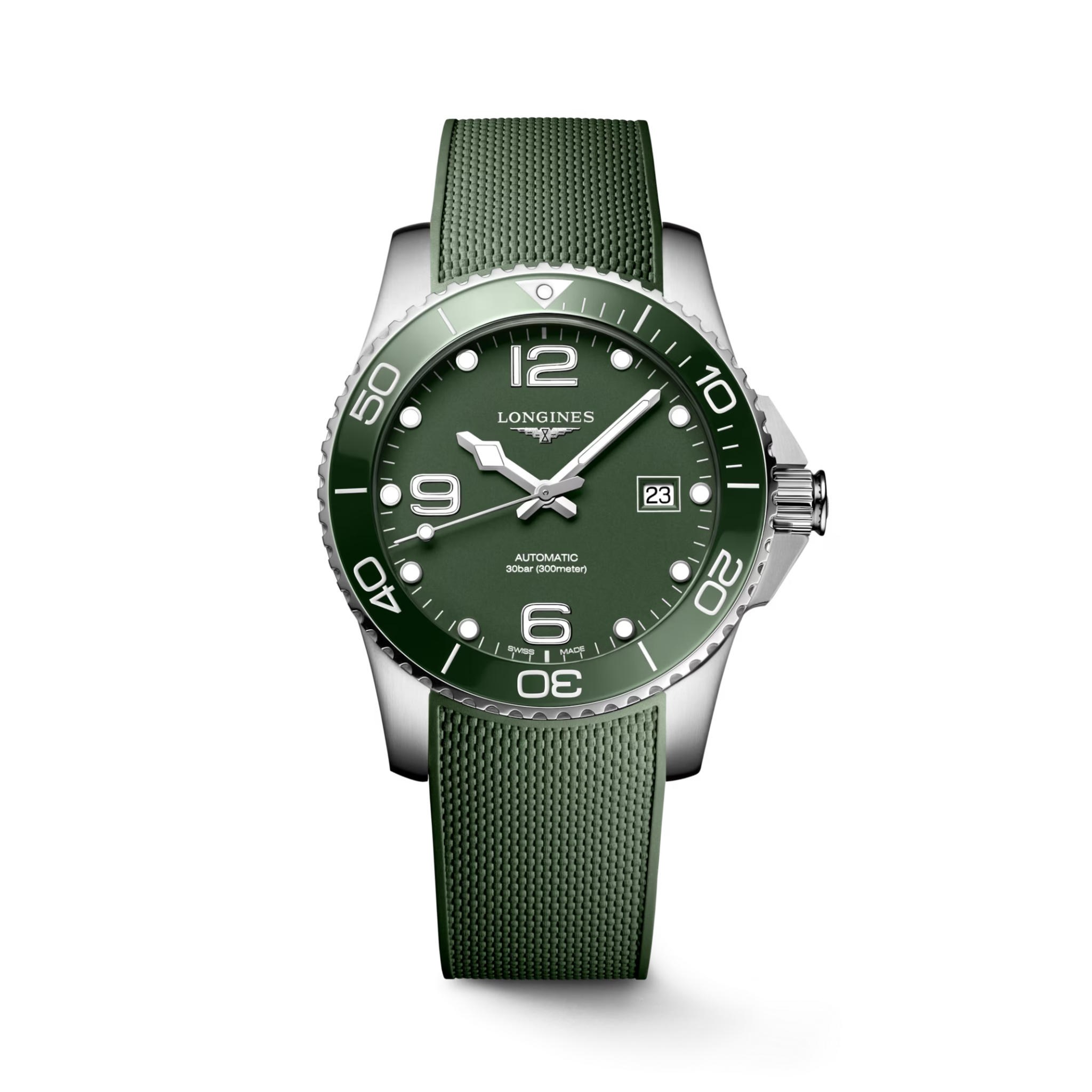
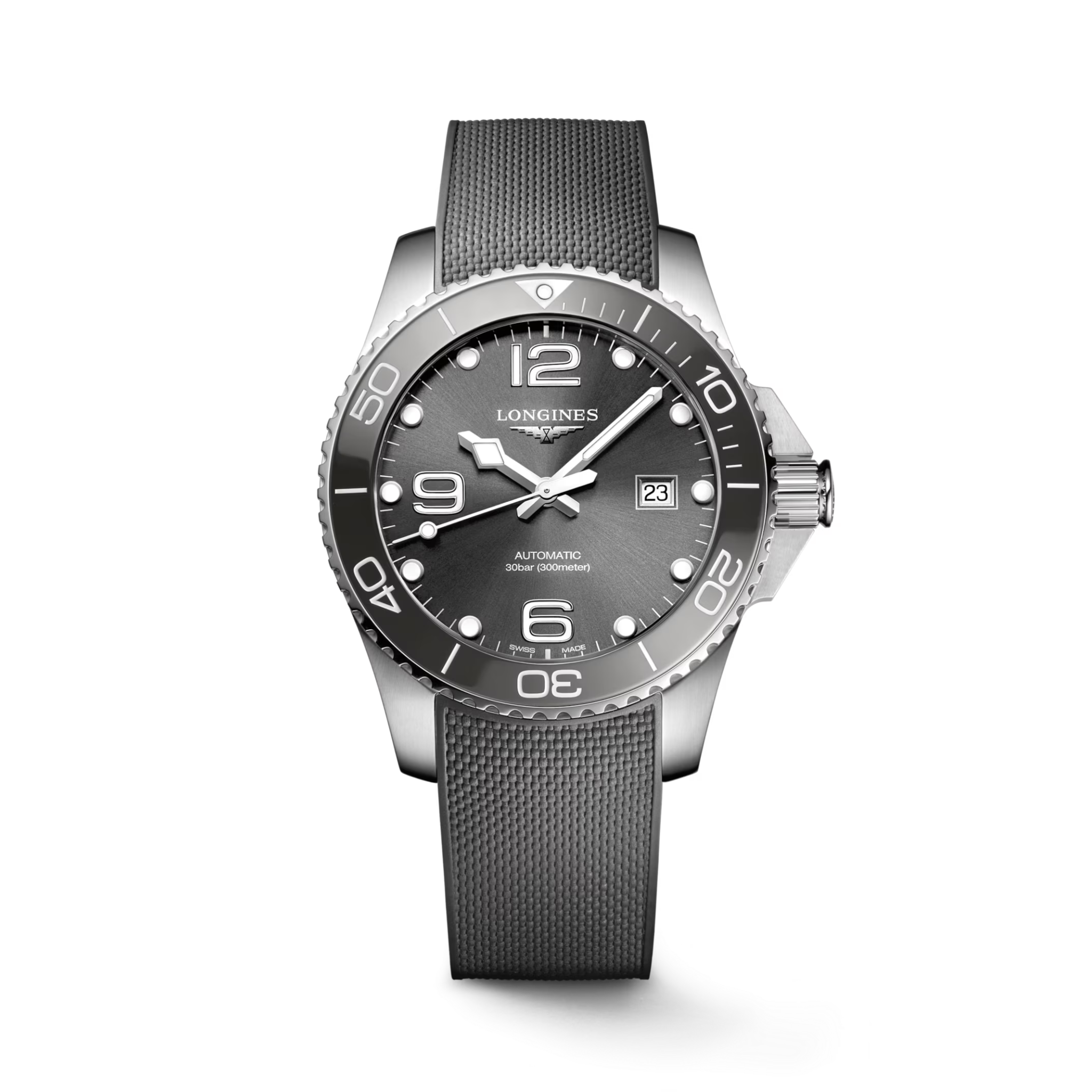

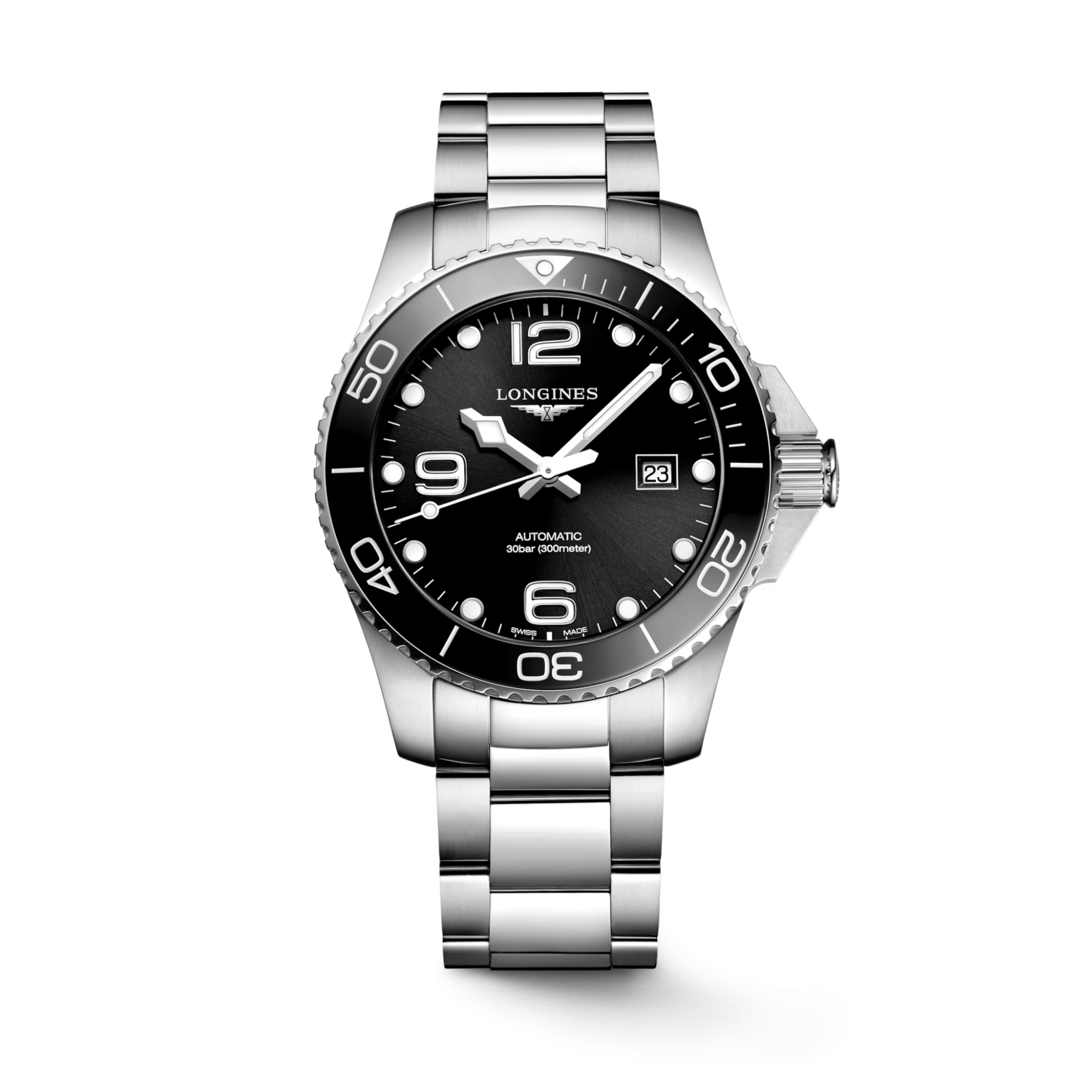
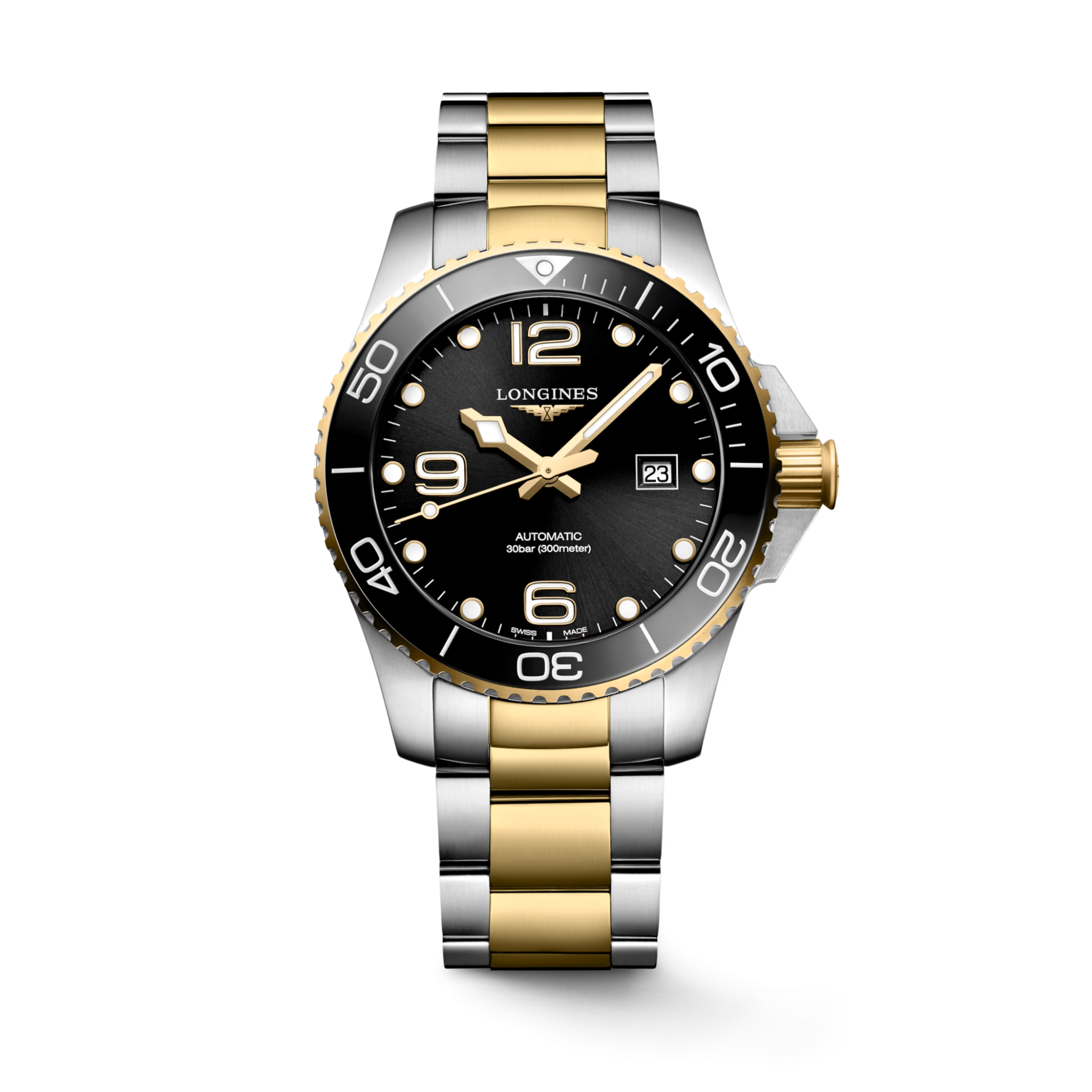
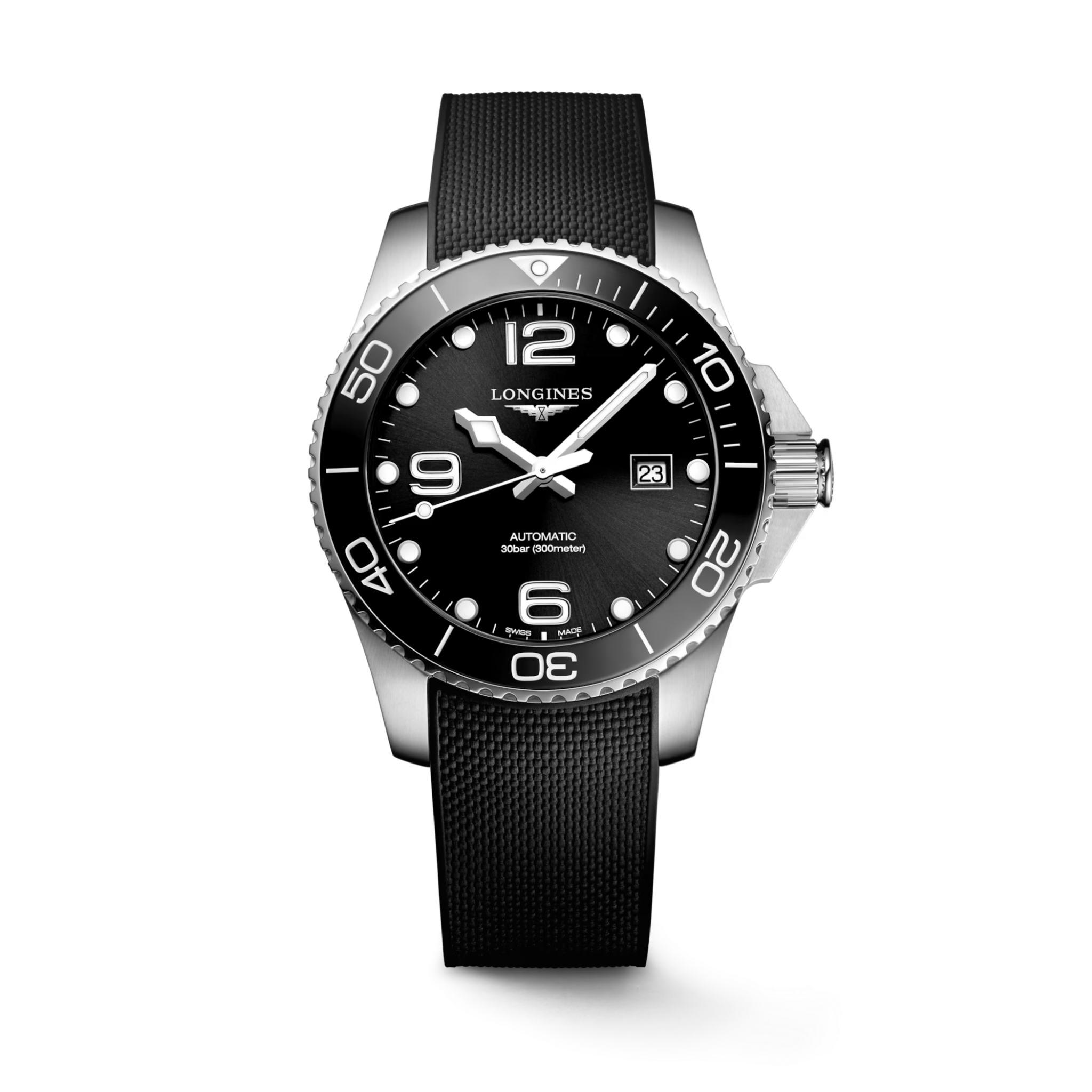
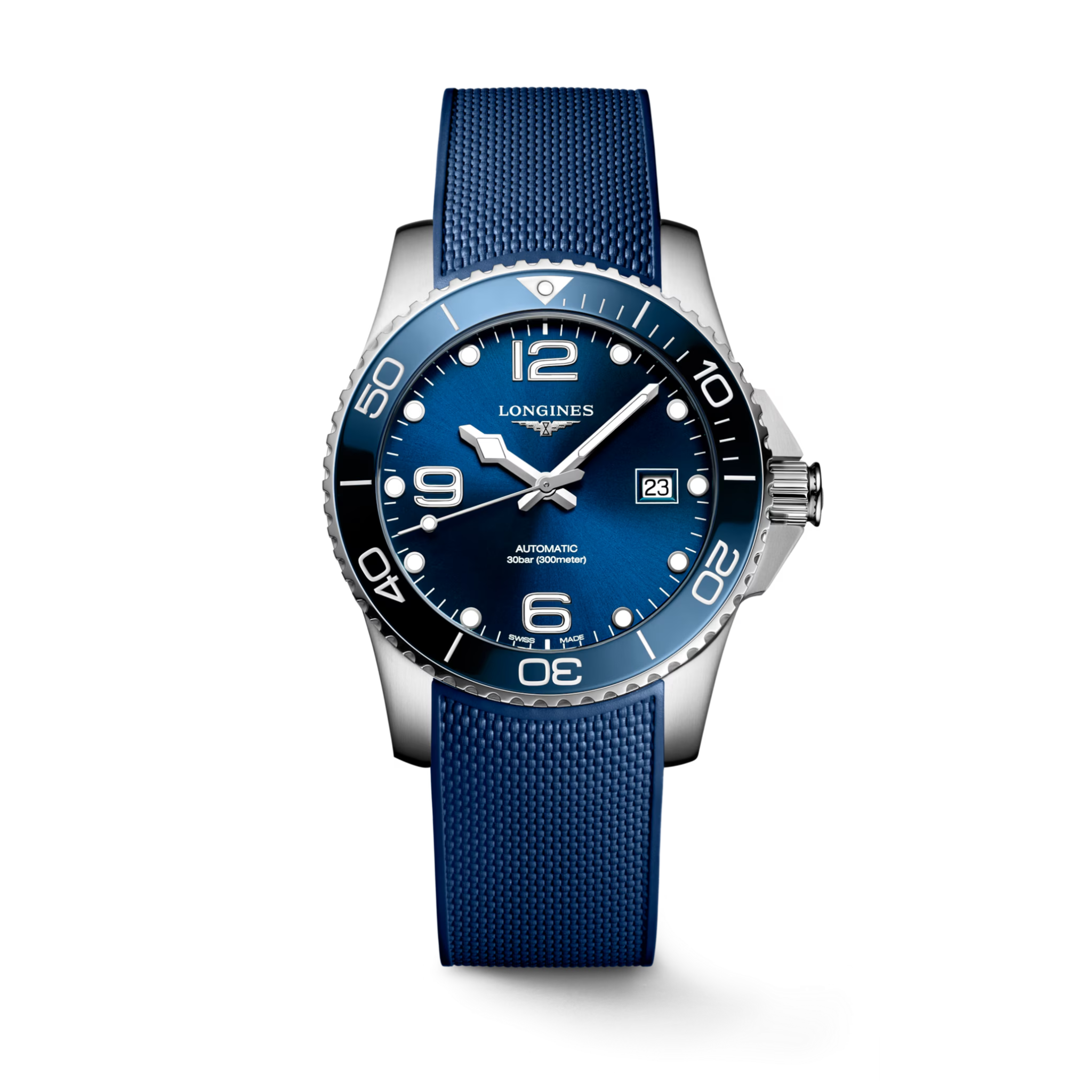
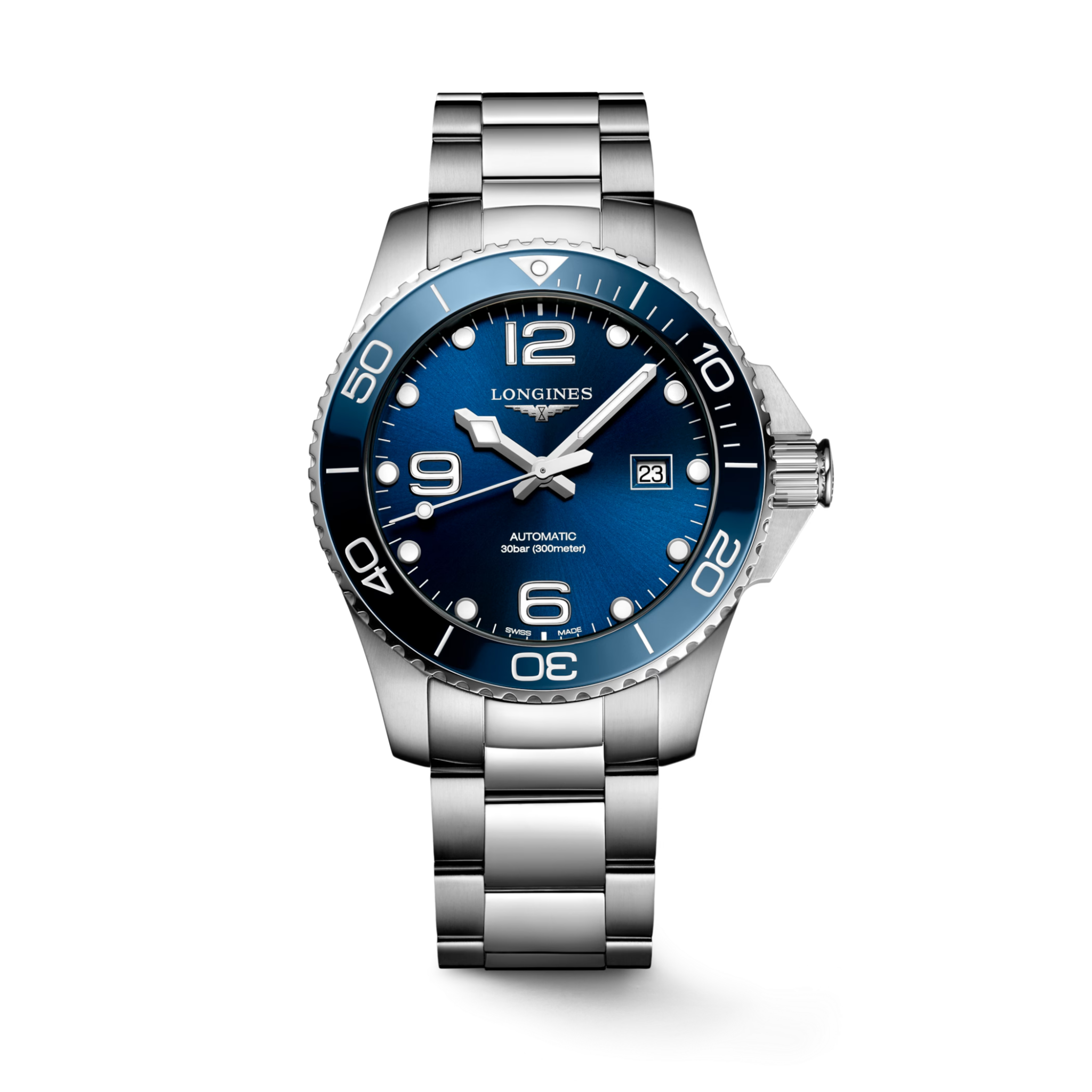

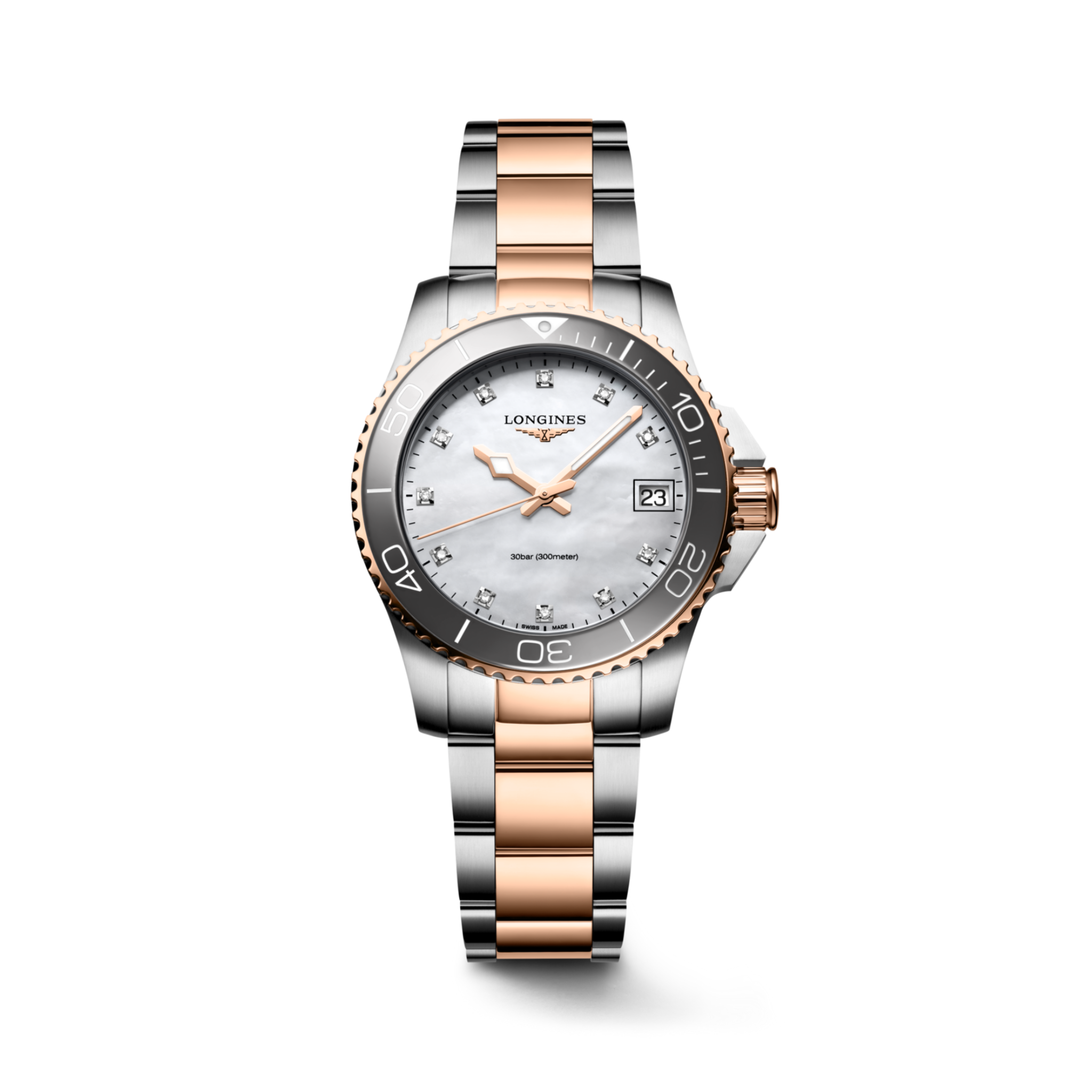
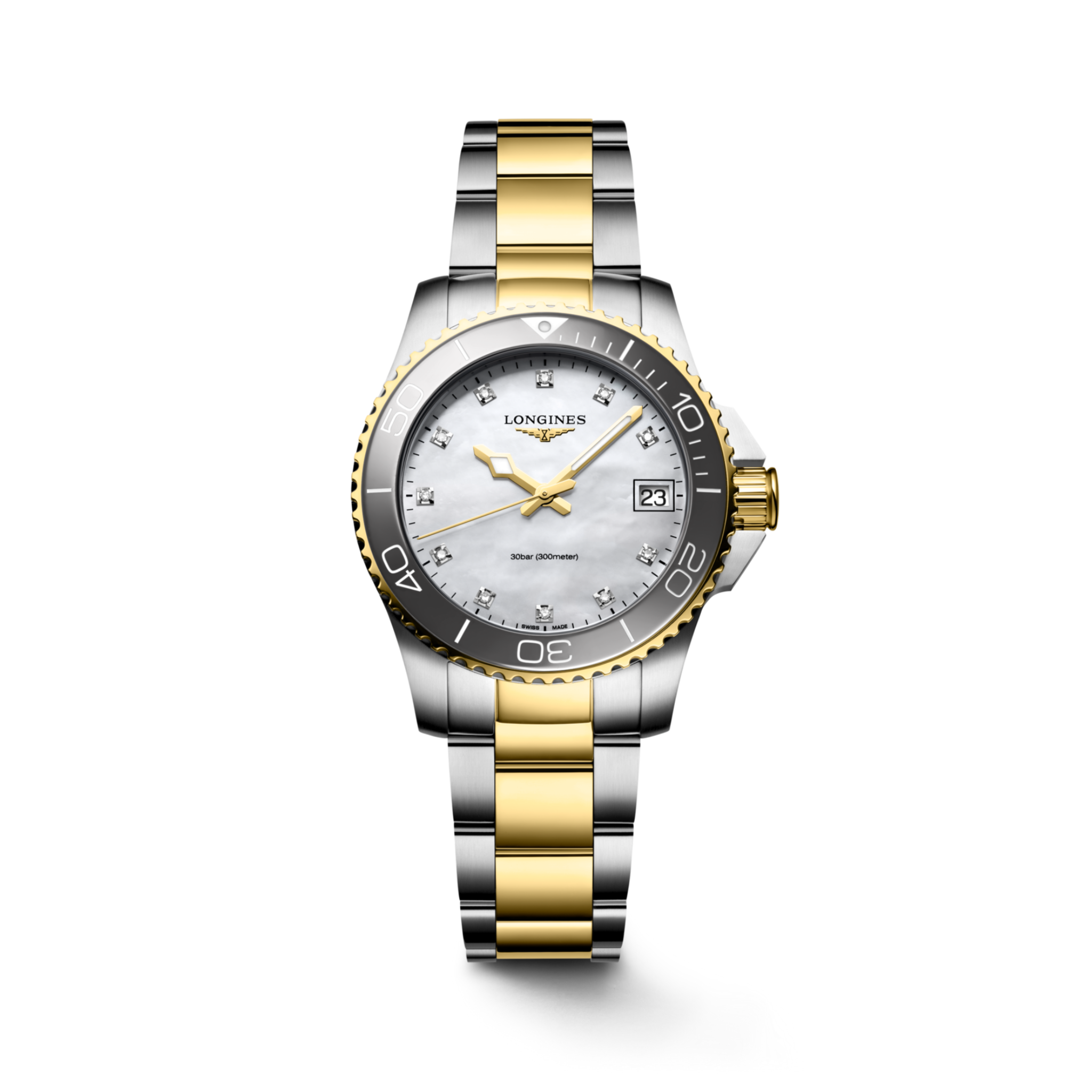
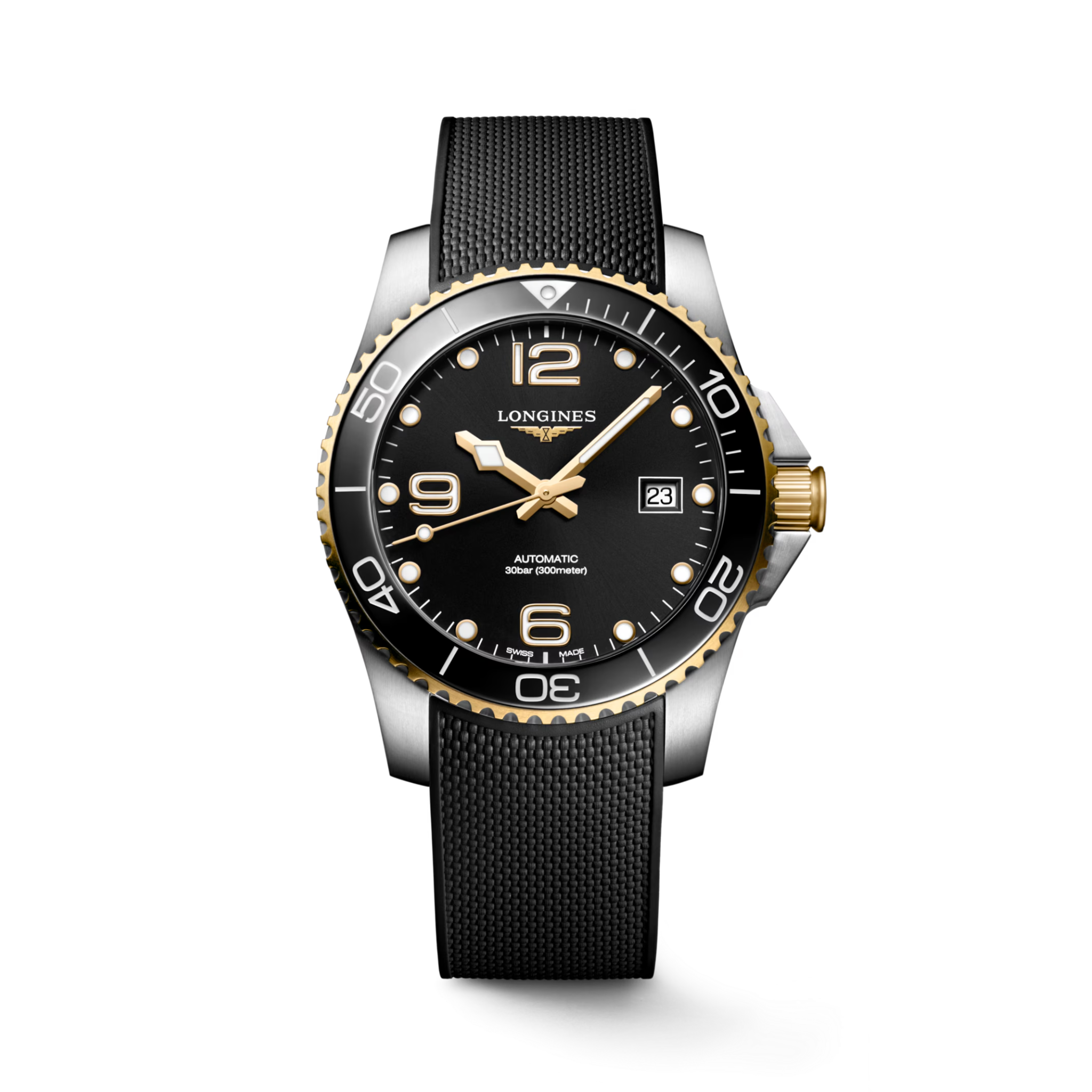
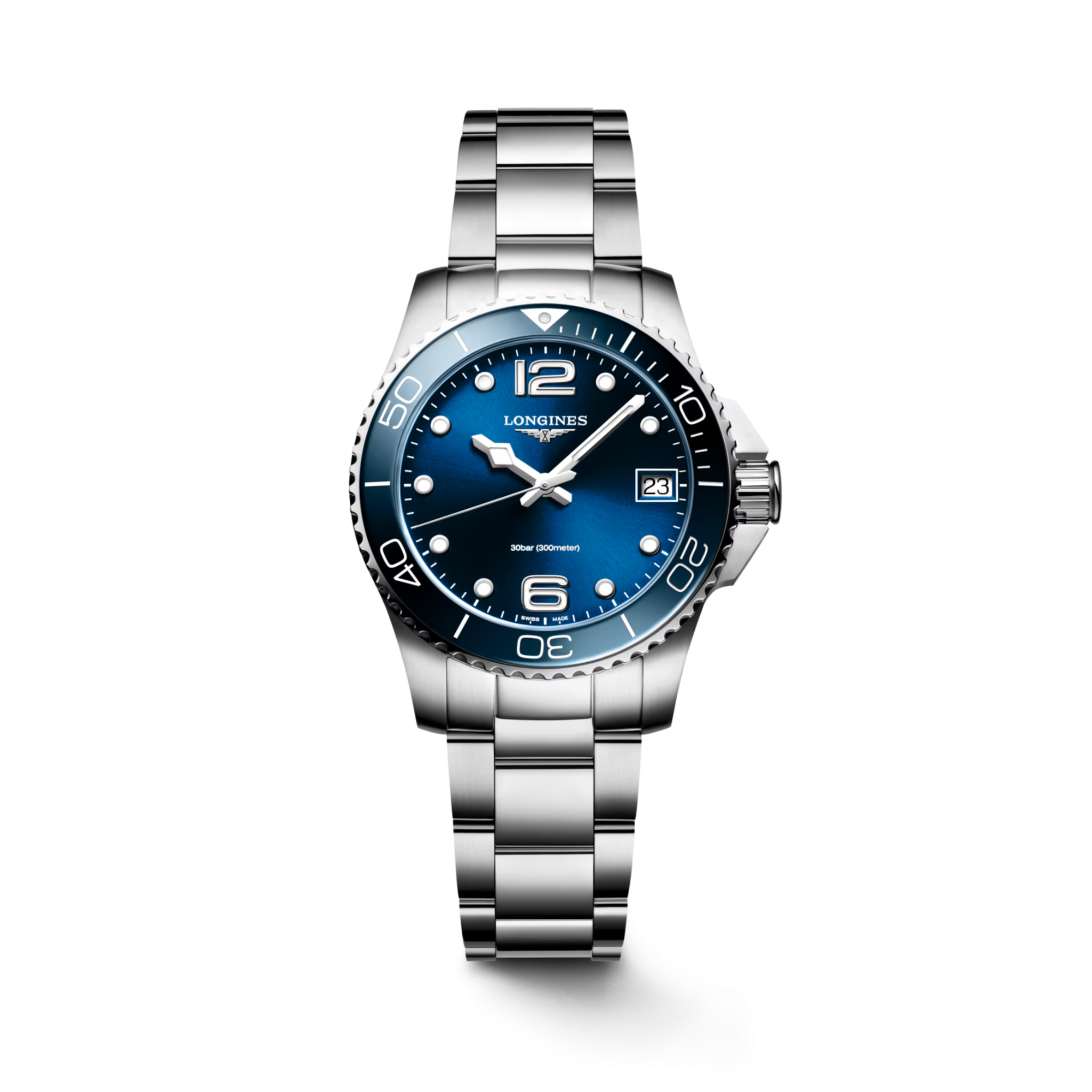
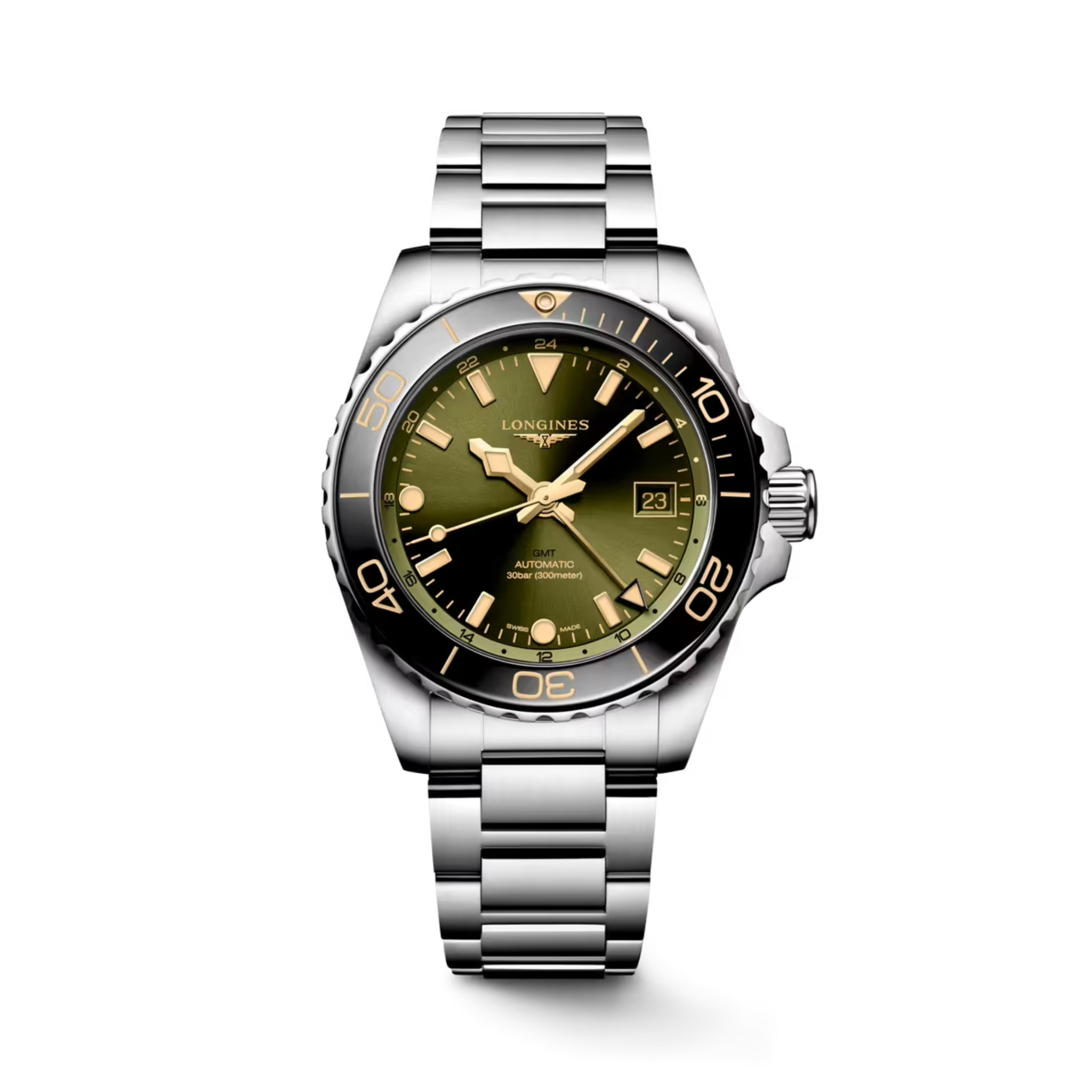
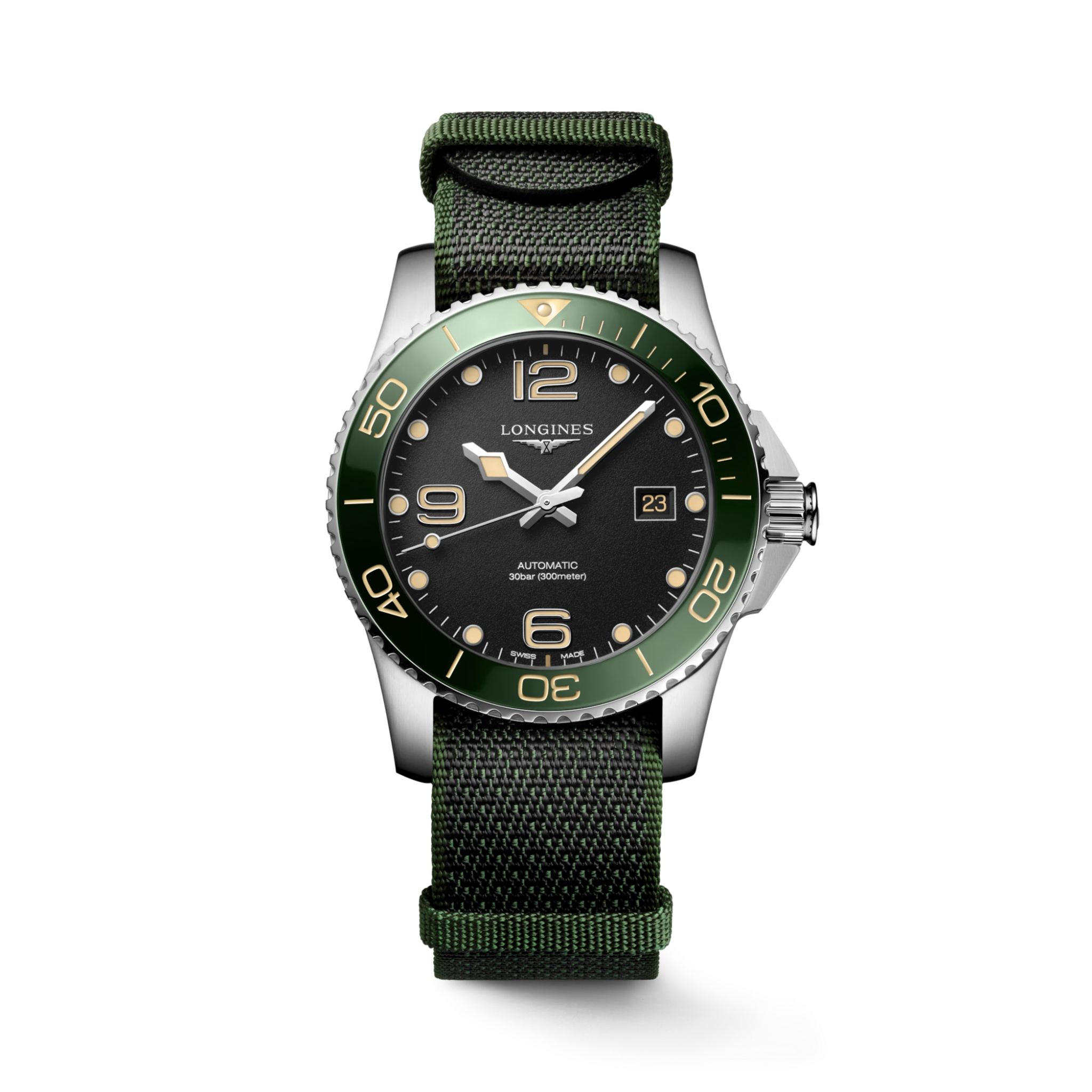
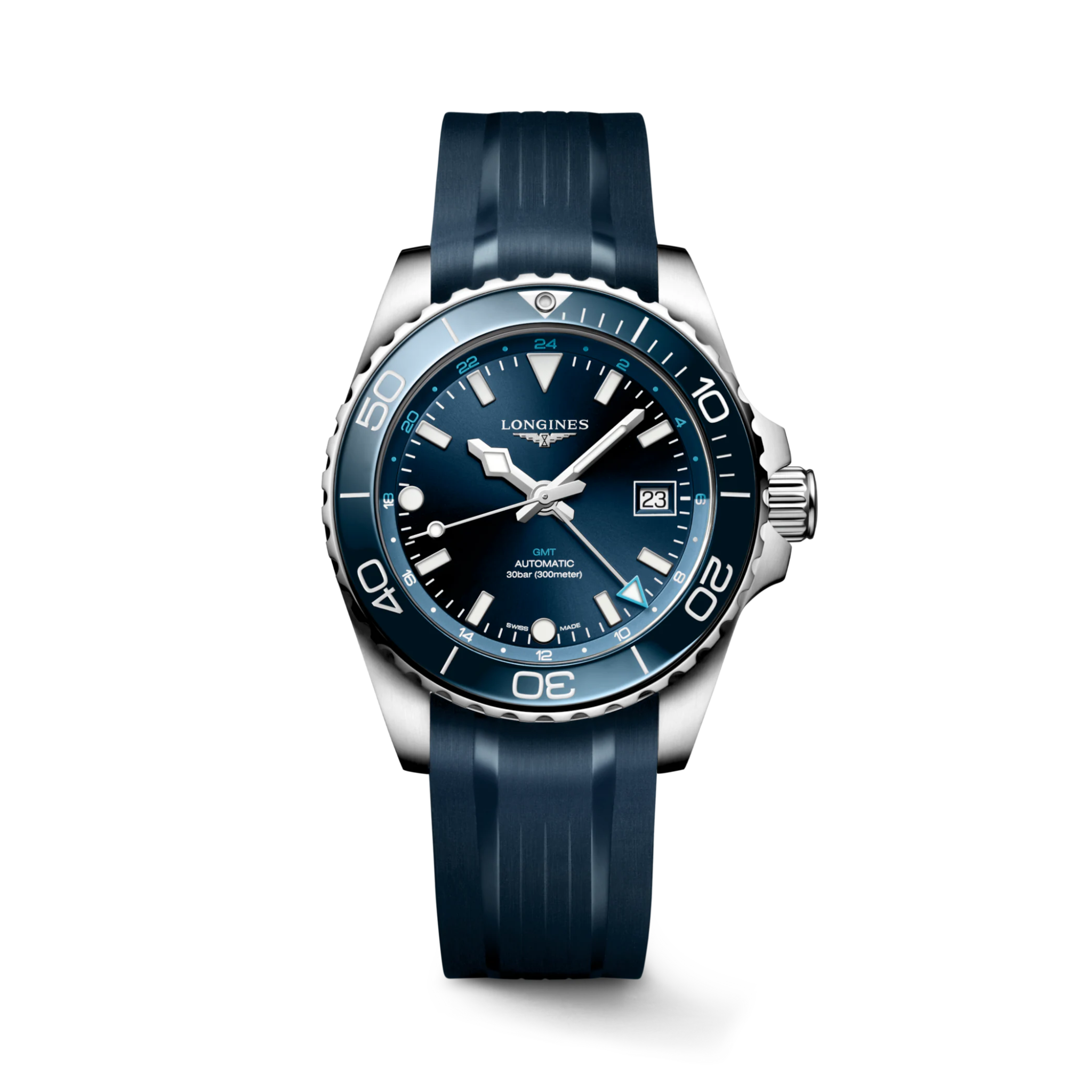
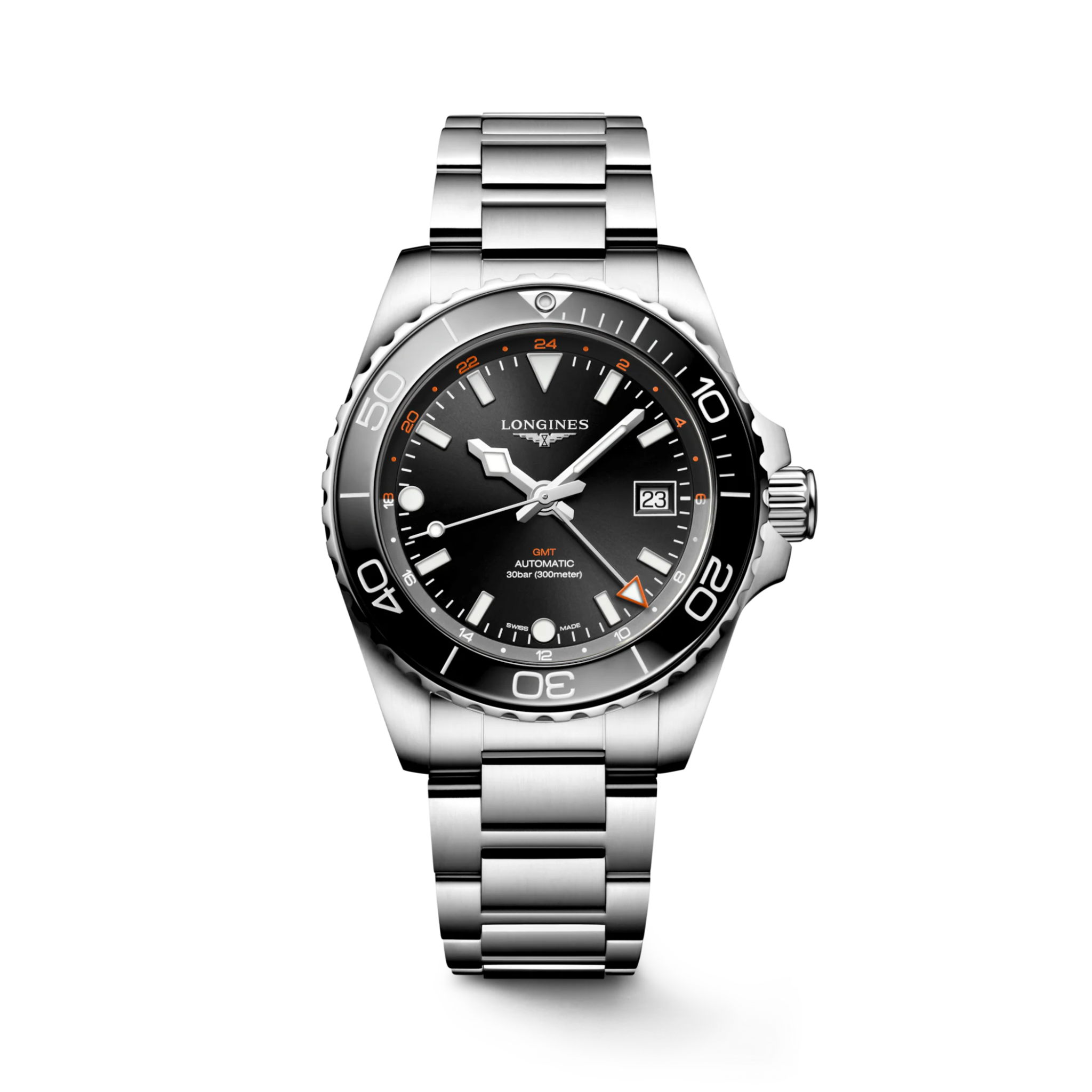

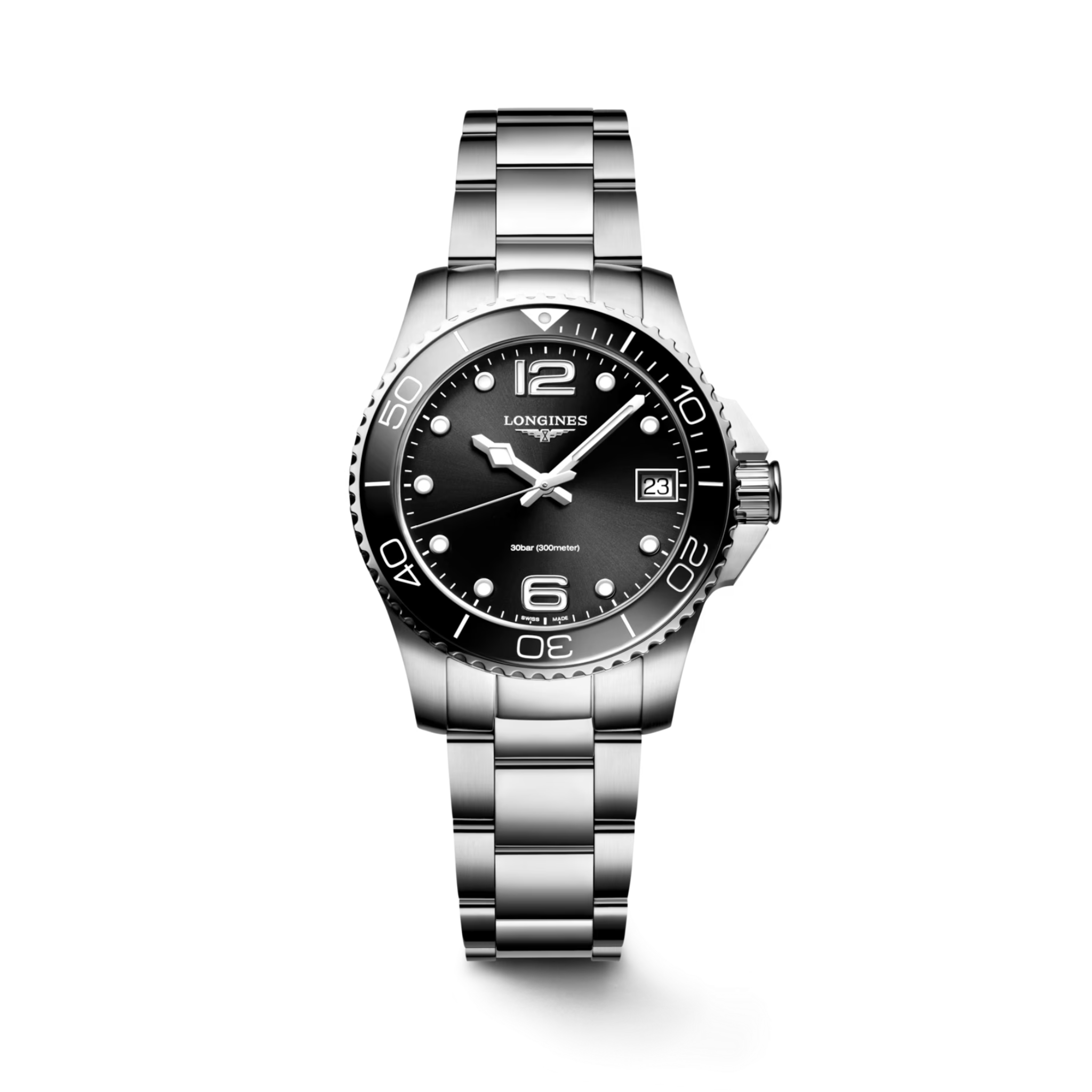
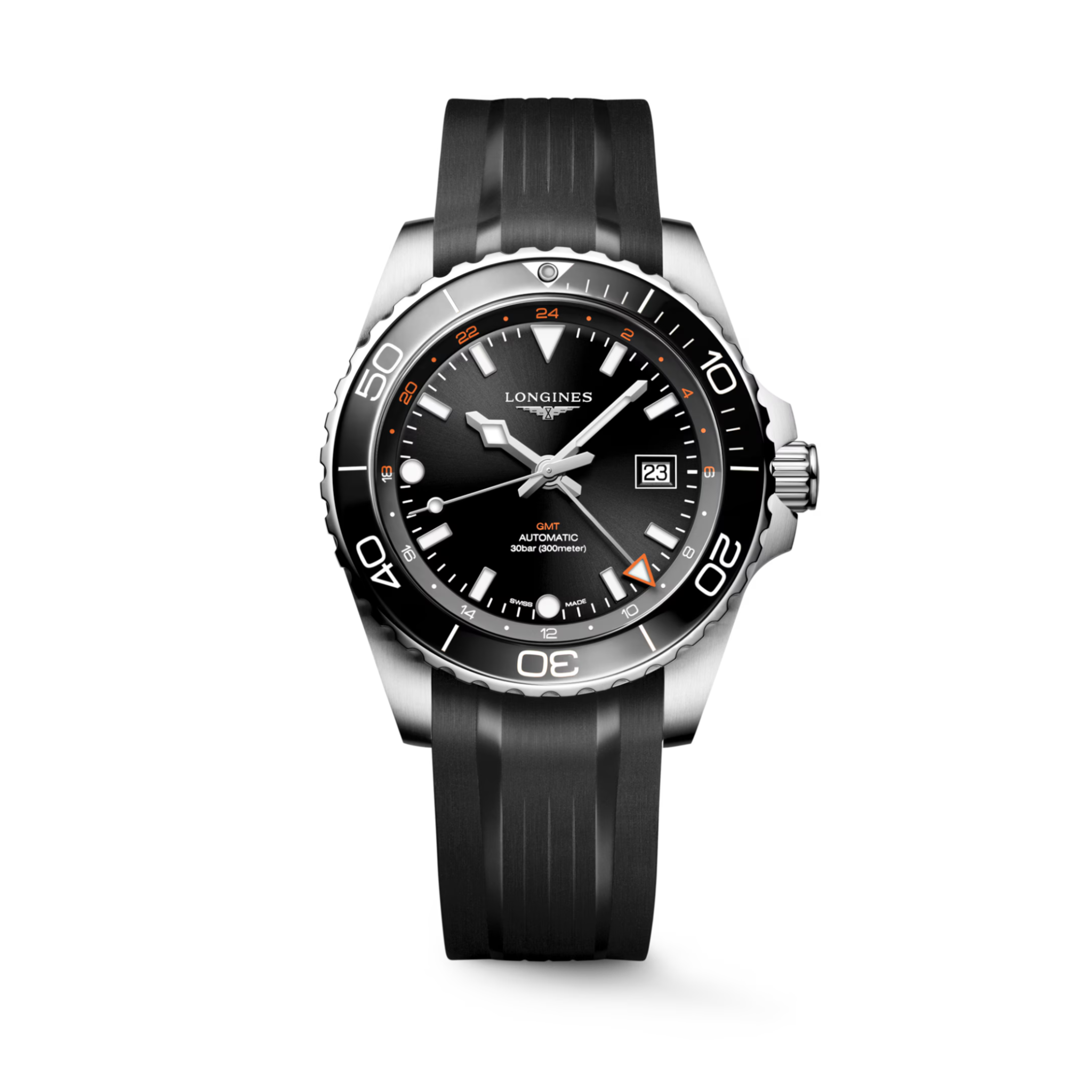
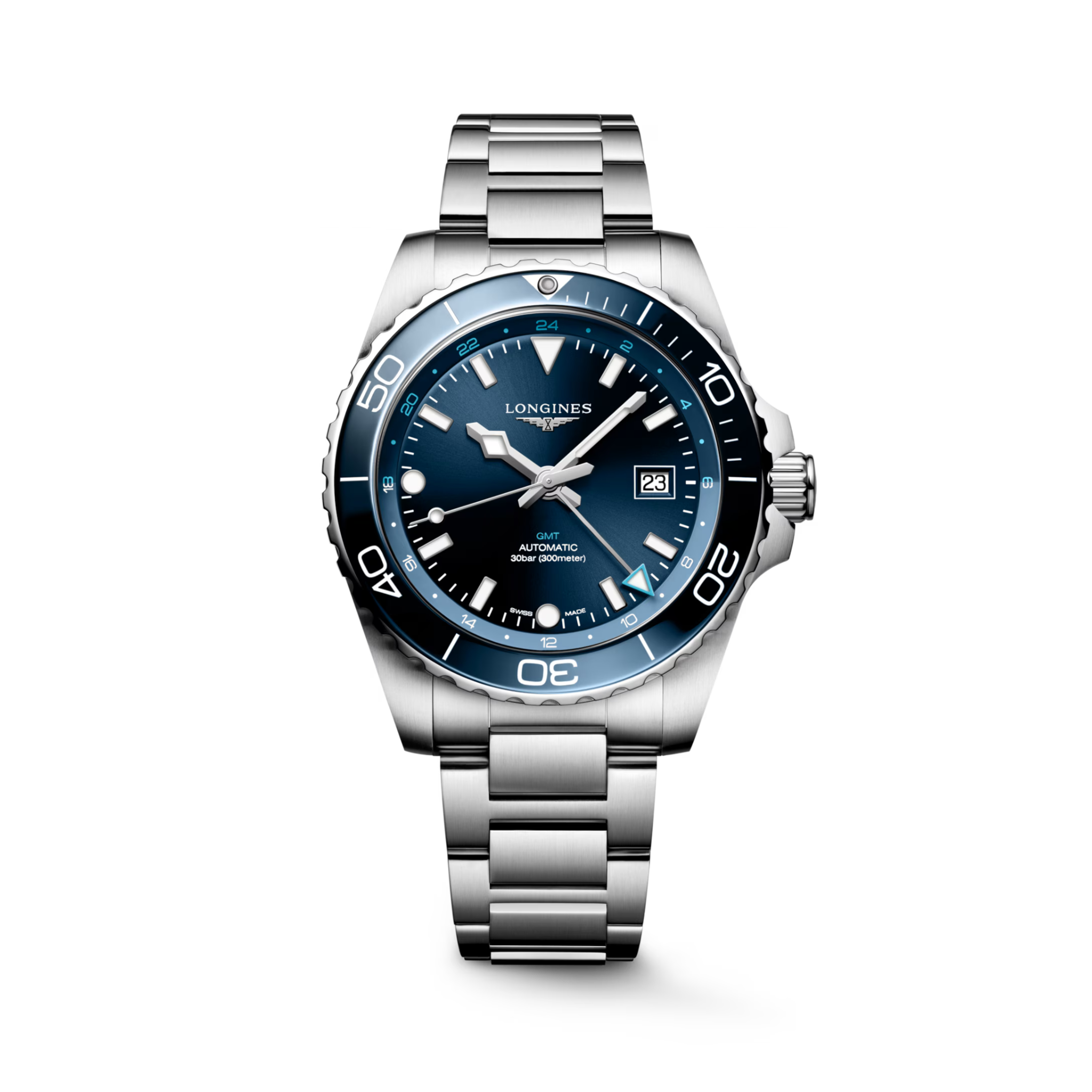
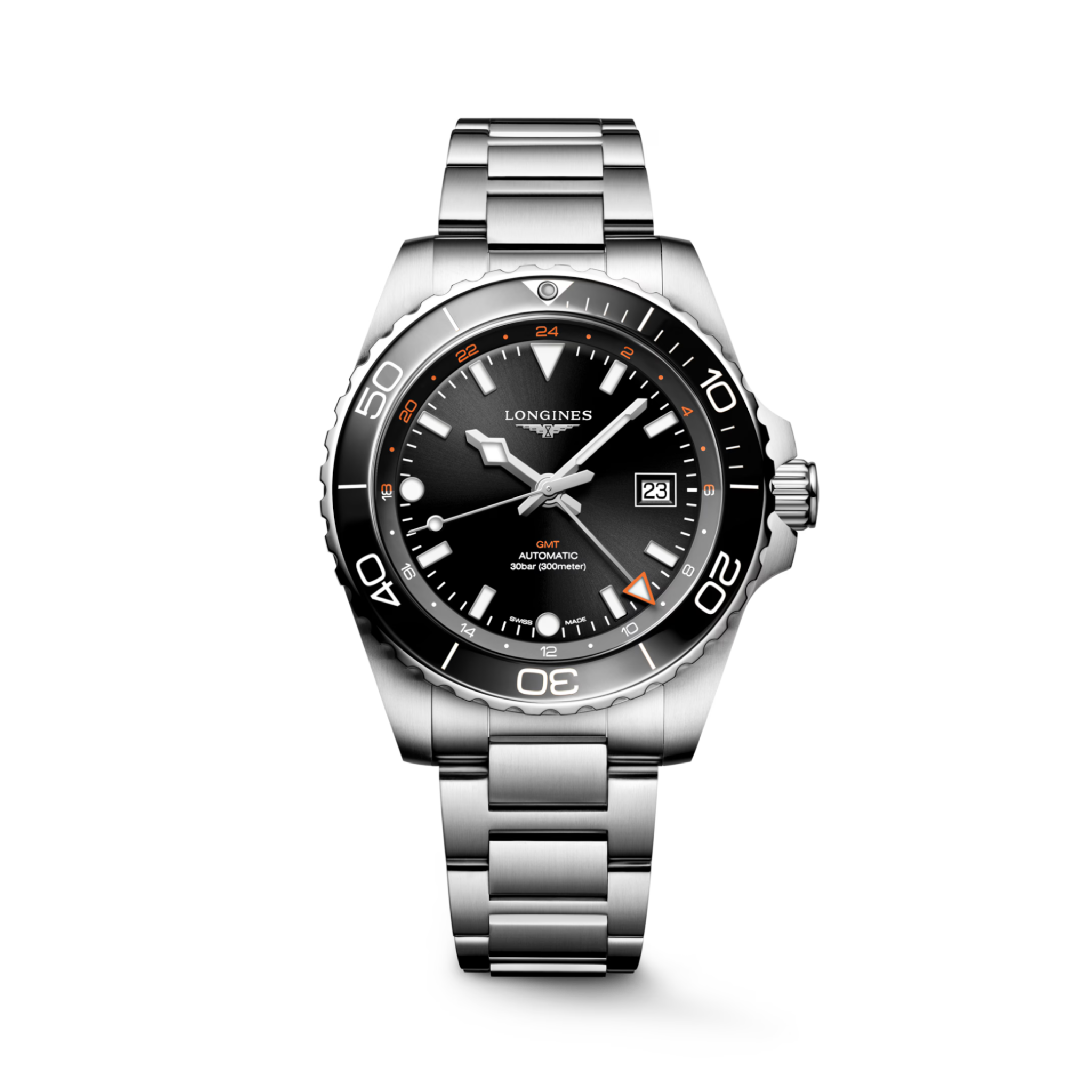
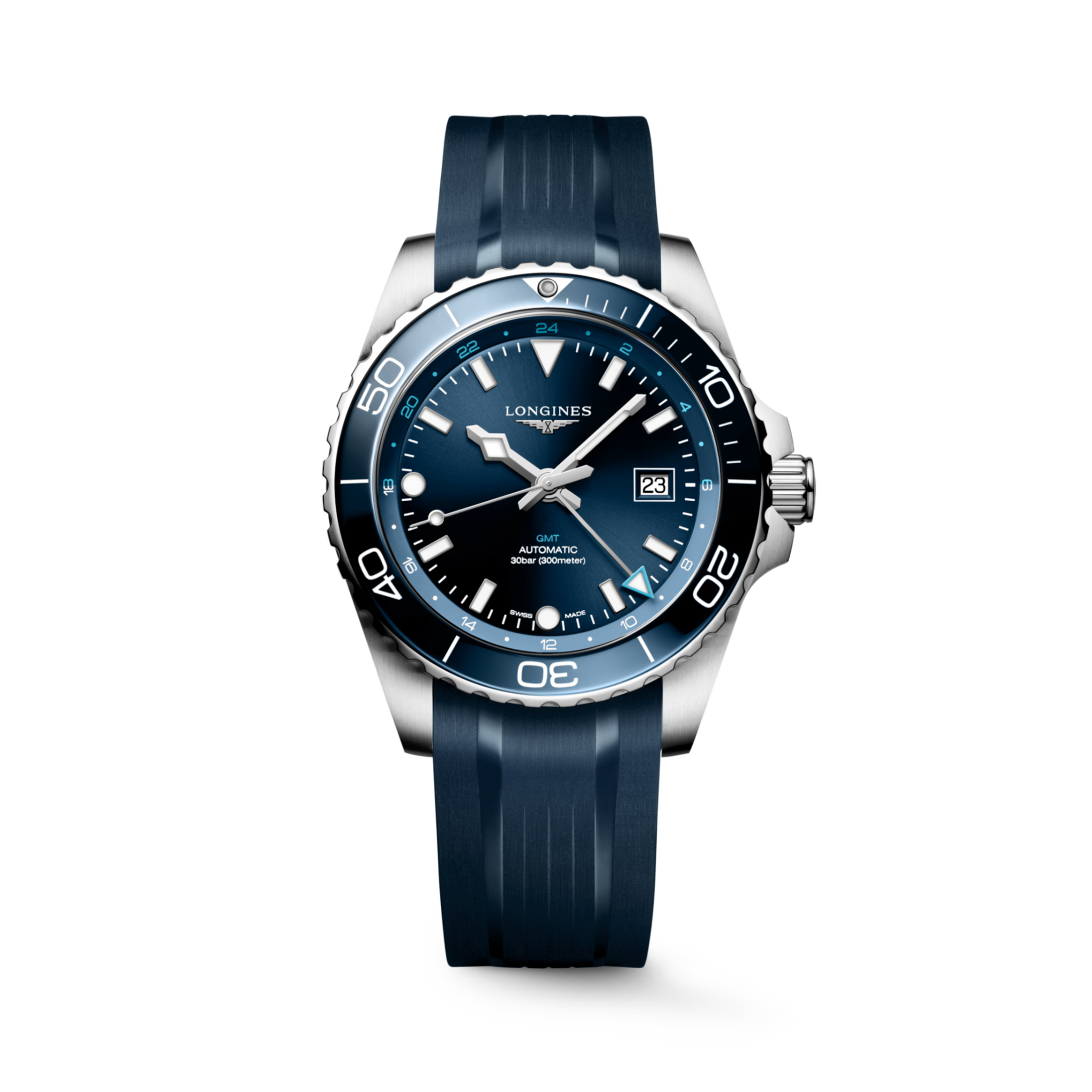
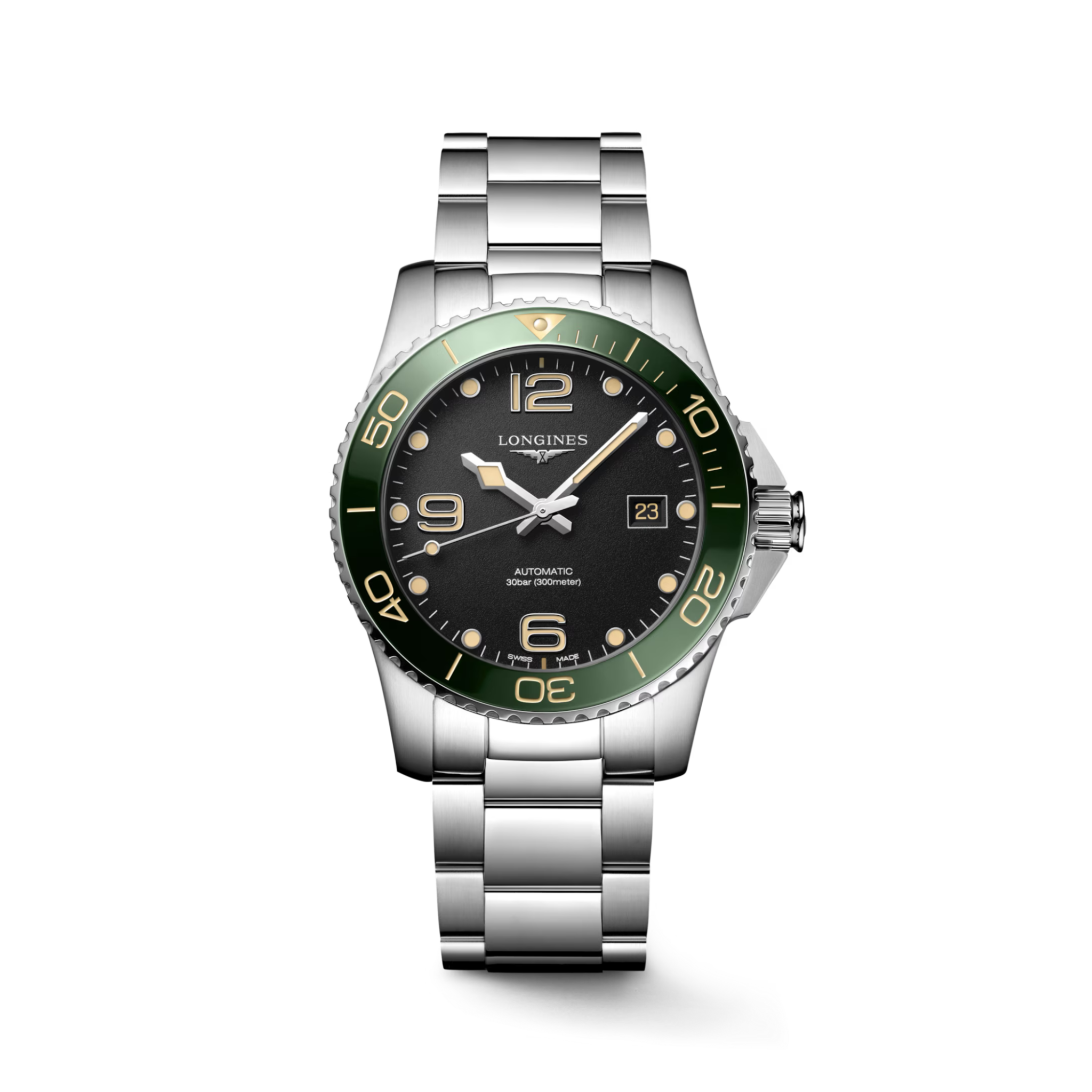


The 2026 Longines HydroConquest is the most comprehensive redesign in the collection's history, known in the watch community as the "new generation" or "third generation" HydroConquest. For the first time, the three-hand model is offered in two simultaneous case sizes: 39mm and 42mm, both sharing the same slim 11.07mm profile, thinner than both the Rolex Submariner (12.9mm) and Omega Seamaster Diver 300M (13.5mm). The new Calibre L888.5 replaces the outgoing L888.4, adding a silicon balance spring for 10x ISO 764 anti-magnetic resistance, a 72-hour power reserve (up from 54 hours), and a 25,200 vph beat rate, all at a starting price of CHF 1,850. The dial has been redesigned with applied baton, triangular, and round indices replacing the old Arabic numerals, allowing significantly more Super-LumiNova to be applied for better underwater legibility. The ceramic bezel now comes in five colours: classic black, blue, and slate grey, joined by two new additions, verdant green and luminous blue. Most notably, Longines has introduced a Milanese mesh bracelet for the first time in the collection's history, engineered with removable individual links, a two-button deployant clasp, and micro-adjustment, a significant step up from typical mesh bracelets at this price. A frosted/sunray blue dial variant is available exclusively through GENEVE 1989. In total, twelve references are offered across six configurations in both 39mm and 42mm.
The 2026 Longines HydroConquest is the most comprehensive redesign in the collection's history, known in the watch community as the "new generation" or "third generation" HydroConquest. For the first time, the three-hand model is offered in two simultaneous case sizes: 39mm and 42mm, both sharing the same slim 11.07mm profile, thinner than both the Rolex Submariner (12.9mm) and Omega Seamaster Diver 300M (13.5mm). The new Calibre L888.5 replaces the outgoing L888.4, adding a silicon balance spring for 10x ISO 764 anti-magnetic resistance, a 72-hour power reserve (up from 54 hours), and a 25,200 vph beat rate, all at a starting price of CHF 1,850. The dial has been redesigned with applied baton, triangular, and round indices replacing the old Arabic numerals, allowing significantly more Super-LumiNova to be applied for better underwater legibility. The ceramic bezel now comes in five colours: classic black, blue, and slate grey, joined by two new additions, verdant green and luminous blue. Most notably, Longines has introduced a Milanese mesh bracelet for the first time in the collection's history, engineered with removable individual links, a two-button deployant clasp, and micro-adjustment, a significant step up from typical mesh bracelets at this price. A frosted/sunray blue dial variant is available exclusively through GENEVE 1989. In total, twelve references are offered across six configurations in both 39mm and 42mm.
Yes, emphatically so. The 2026 Longines HydroConquest has been described by Gear Patrol as "the best dive watch you can get for the money," a verdict echoed across Fratello Watches, HiConsumption, and Man of Many. Costing €2,010 (only at GENEVE 1989), or in other places at CHF 1,850 / $2,200 / approximately £1,700 on the H-link bracelet, it offers a silicon balance spring movement, 72-hour power reserve, fully ceramic unidirectional bezel, 300m water resistance, and a dual-AR-coated sapphire crystal, specifications that were previously the preserve of watches costing two or three times as much. The case, measuring just 11.07mm thick in both sizes, is slimmer than the Rolex Submariner (12.9mm) and the Omega Seamaster Diver 300M (13.5mm), making it one of the most wearable 300m divers available. The silicon balance spring in the Calibre L888.5 provides genuine practical benefits like immunity to everyday magnetic fields from phones, laptops, and airport security, and greater long-term accuracy than traditional metal springs. The new Milanese mesh bracelet, a first for the HydroConquest, is engineered at a quality level that justifies its £80/$200 premium over the H-link version. The one caveat worth knowing is that some long-term fans miss the old Arabic numeral dial that gave the previous generation a more distinctive look. The new dial is cleaner and more legible underwater, but if you valued that earlier identity, it is gone in the 2026 model. Overall, the 2026 HydroConquest is the most compelling value proposition in the sub-£2,000 / sub-€2,500 Swiss automatic diver segment, and a watch you can buy with real confidence.
Yes, emphatically so. The 2026 Longines HydroConquest has been described by Gear Patrol as "the best dive watch you can get for the money," a verdict echoed across Fratello Watches, HiConsumption, and Man of Many. Costing €2,010 (only at GENEVE 1989), or in other places at CHF 1,850 / $2,200 / approximately £1,700 on the H-link bracelet, it offers a silicon balance spring movement, 72-hour power reserve, fully ceramic unidirectional bezel, 300m water resistance, and a dual-AR-coated sapphire crystal, specifications that were previously the preserve of watches costing two or three times as much. The case, measuring just 11.07mm thick in both sizes, is slimmer than the Rolex Submariner (12.9mm) and the Omega Seamaster Diver 300M (13.5mm), making it one of the most wearable 300m divers available. The silicon balance spring in the Calibre L888.5 provides genuine practical benefits like immunity to everyday magnetic fields from phones, laptops, and airport security, and greater long-term accuracy than traditional metal springs. The new Milanese mesh bracelet, a first for the HydroConquest, is engineered at a quality level that justifies its £80/$200 premium over the H-link version. The one caveat worth knowing is that some long-term fans miss the old Arabic numeral dial that gave the previous generation a more distinctive look. The new dial is cleaner and more legible underwater, but if you valued that earlier identity, it is gone in the 2026 model. Overall, the 2026 HydroConquest is the most compelling value proposition in the sub-£2,000 / sub-€2,500 Swiss automatic diver segment, and a watch you can buy with real confidence.
Both sizes share identical specifications. The same Calibre L888.5 movement, 300m water resistance, 11.07mm case thickness, dial colours, bezel options, bracelet choices, and retail price, so the choice is purely about fit. The 39mm measures 48.1mm lug-to-lug. The 42mm measures 51.2mm. As a general guide, wrists under 6.5 inches (165mm) will suit the 39mm best; wrists between 6.5 and 7 inches (165–178mm) can wear either comfortably depending on preference; wrists over 7 inches (178mm) will suit the 42mm. Multiple independent reviewers, including Fratello Watches and The Calibrated Wrist, gravitated toward the 39mm after wearing both, noting that its 48.1mm lug-to-lug wears compact without feeling undersized, sits better under a shirt cuff, and feels more balanced on an average wrist. The 42mm delivers more presence and suits those who prefer a larger, bolder diver or are replacing a 41–43mm watch and want a like-for-like fit. The Longines 39mm wears larger than a typical 39mm from many other brands due to its proportional lug design. If you are on the bracelet fence, the Milanese mesh adapts more fluidly to the wrist, making the 42mm a slightly easier fit for smaller wrists than expected. If unsure, lean toward the 39mm, it is the more universally flattering choice. Both sizes are priced identically, which is unusual in the watch industry and worth appreciating.
Both sizes share identical specifications. The same Calibre L888.5 movement, 300m water resistance, 11.07mm case thickness, dial colours, bezel options, bracelet choices, and retail price, so the choice is purely about fit. The 39mm measures 48.1mm lug-to-lug. The 42mm measures 51.2mm. As a general guide, wrists under 6.5 inches (165mm) will suit the 39mm best; wrists between 6.5 and 7 inches (165–178mm) can wear either comfortably depending on preference; wrists over 7 inches (178mm) will suit the 42mm. Multiple independent reviewers, including Fratello Watches and The Calibrated Wrist, gravitated toward the 39mm after wearing both, noting that its 48.1mm lug-to-lug wears compact without feeling undersized, sits better under a shirt cuff, and feels more balanced on an average wrist. The 42mm delivers more presence and suits those who prefer a larger, bolder diver or are replacing a 41–43mm watch and want a like-for-like fit. The Longines 39mm wears larger than a typical 39mm from many other brands due to its proportional lug design. If you are on the bracelet fence, the Milanese mesh adapts more fluidly to the wrist, making the 42mm a slightly easier fit for smaller wrists than expected. If unsure, lean toward the 39mm, it is the more universally flattering choice. Both sizes are priced identically, which is unusual in the watch industry and worth appreciating.